Paintings
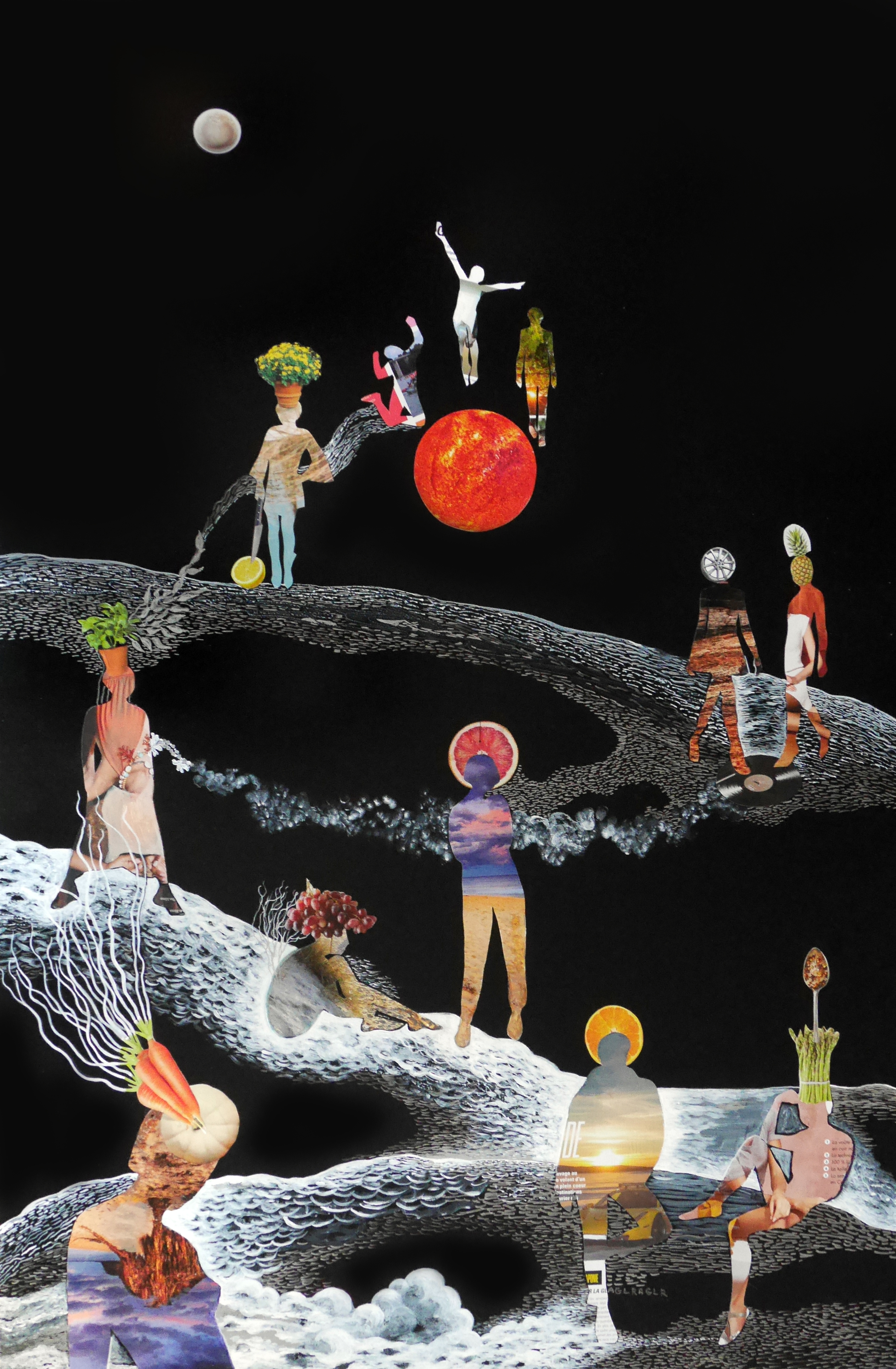
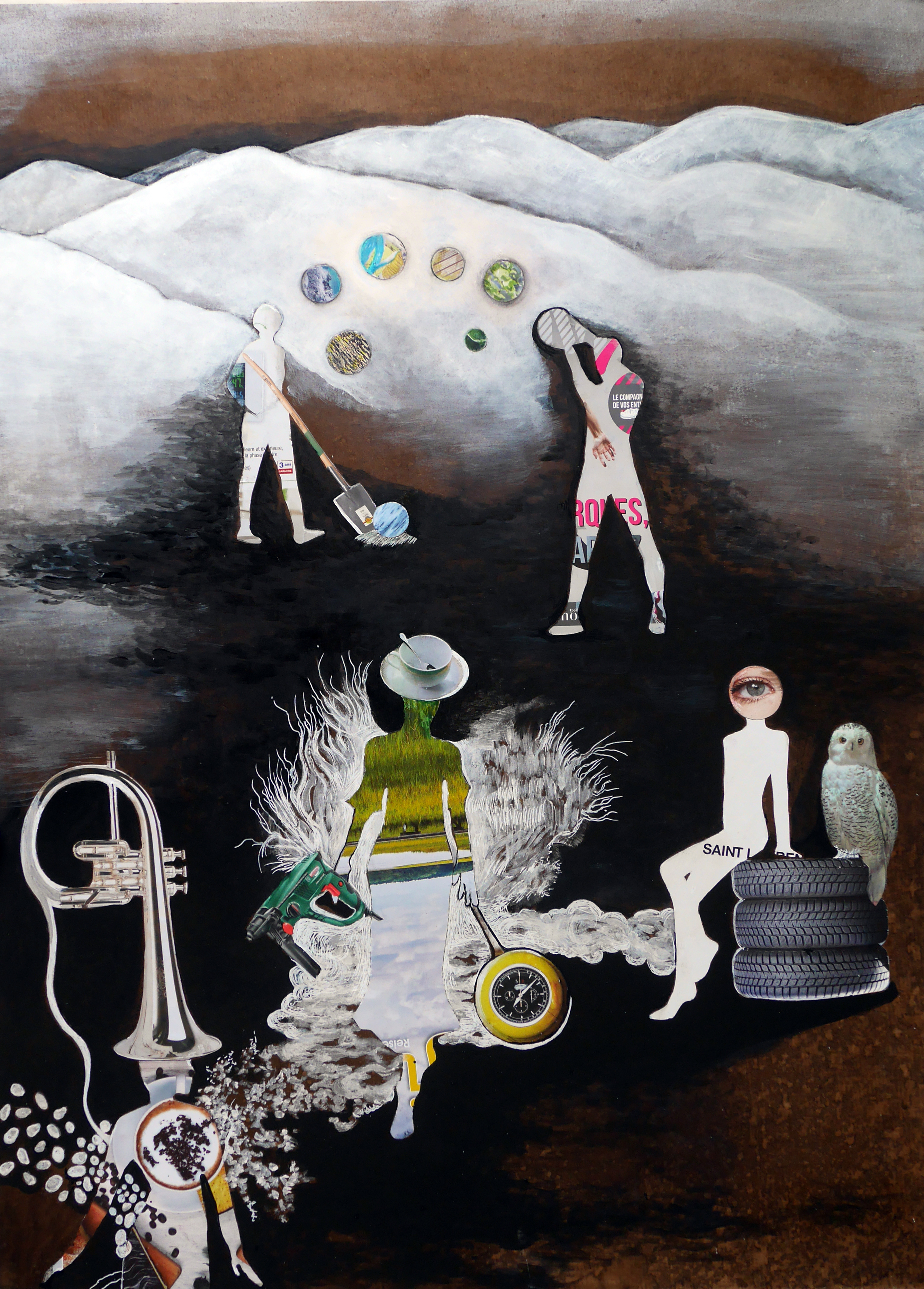
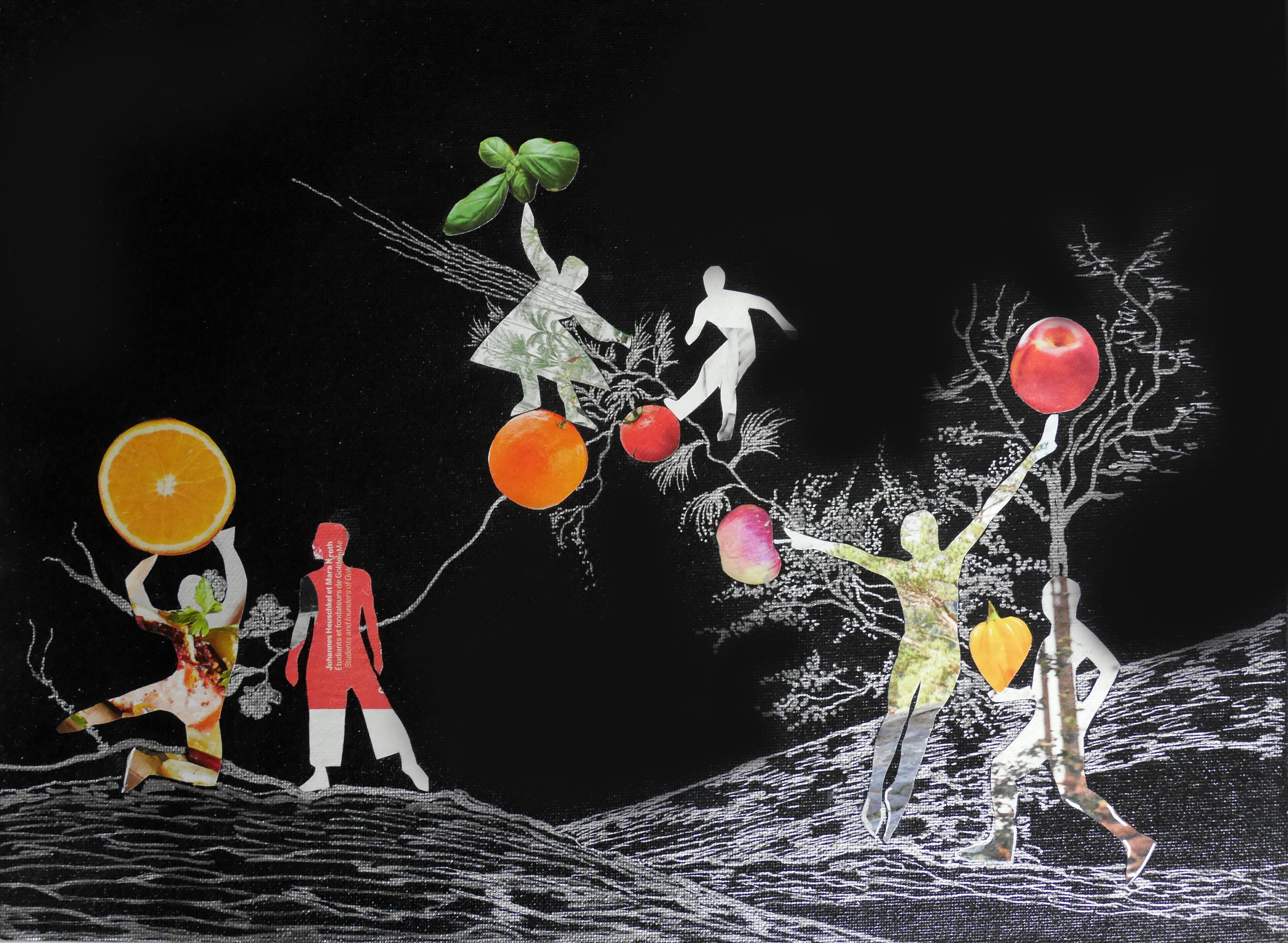
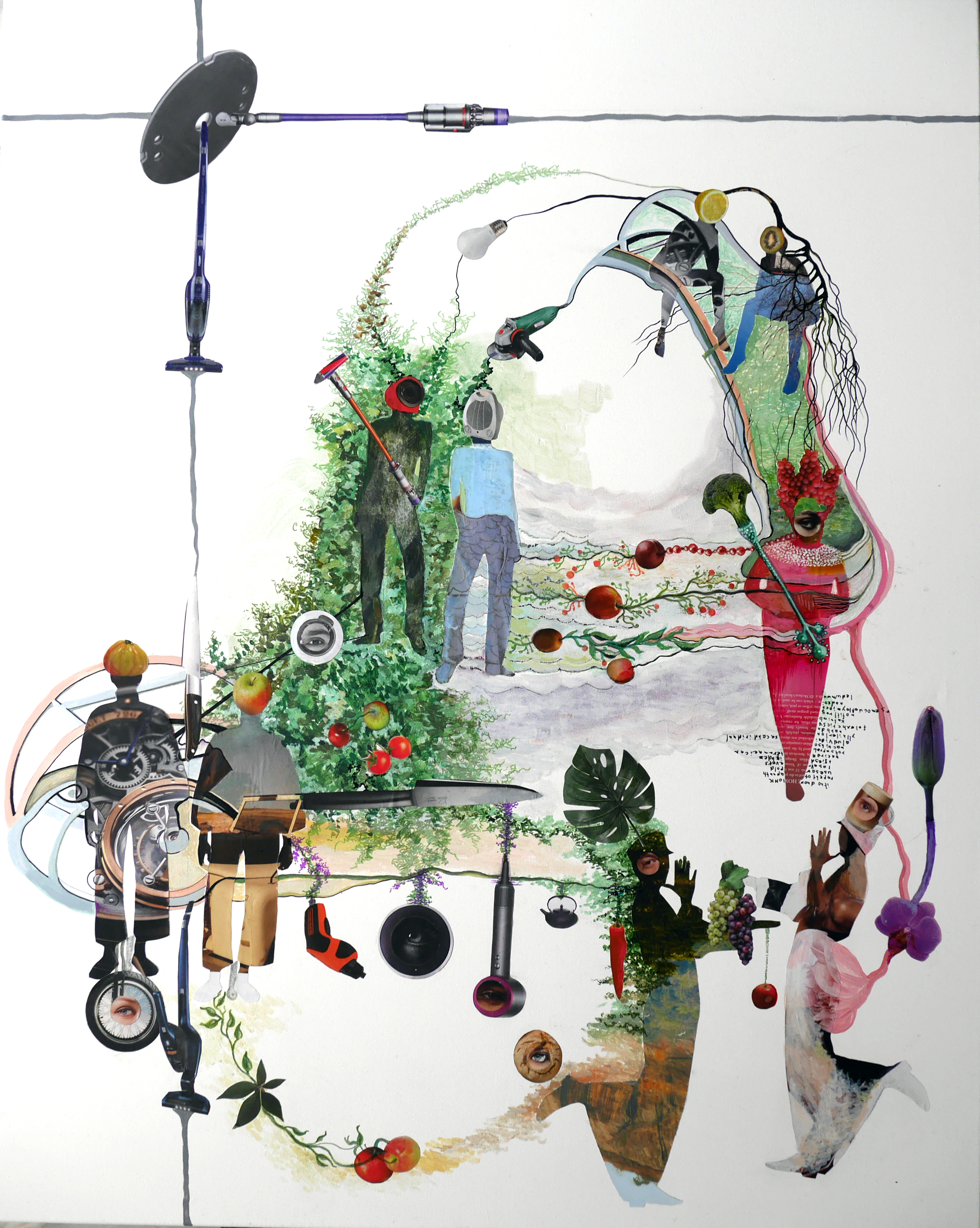
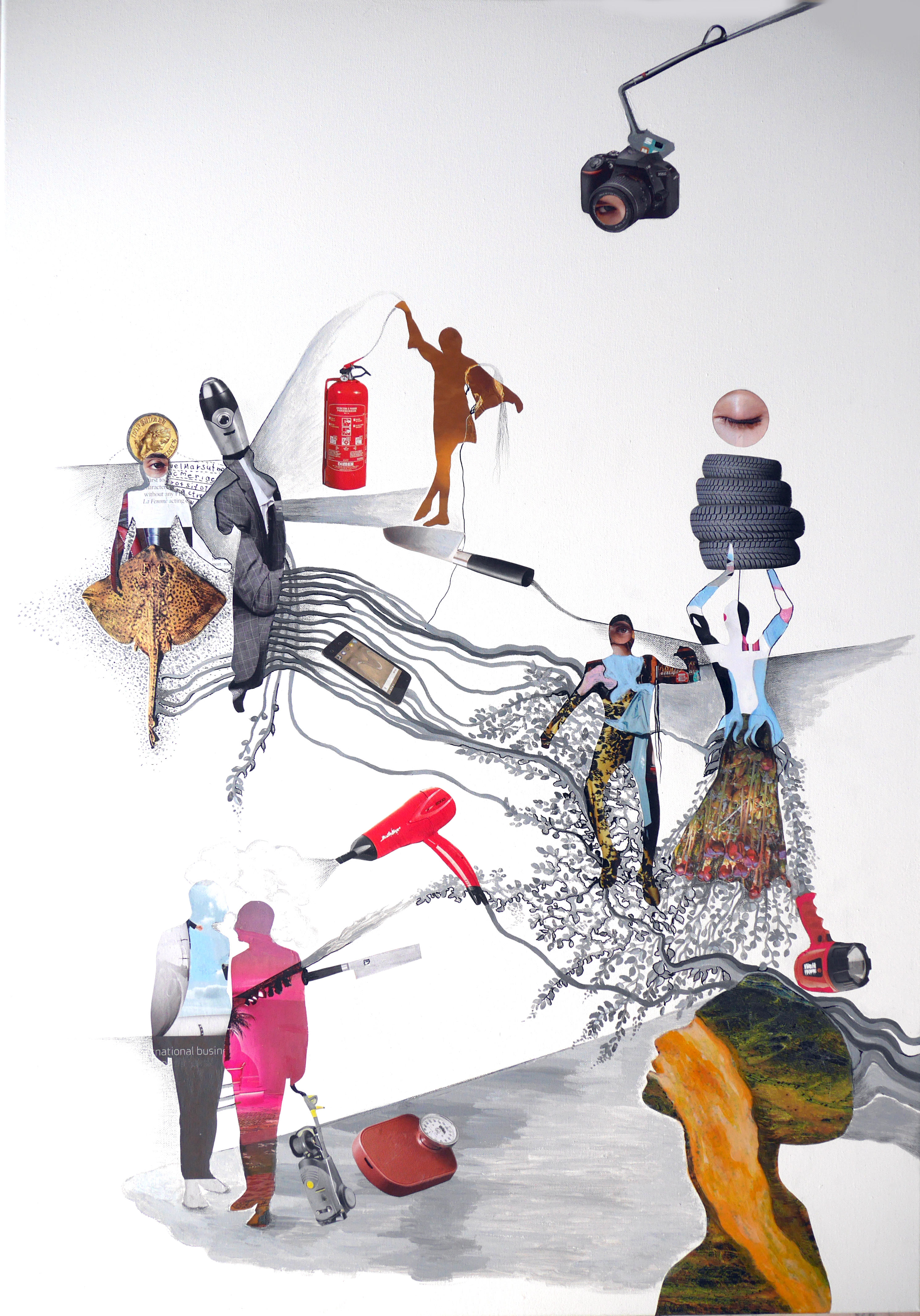
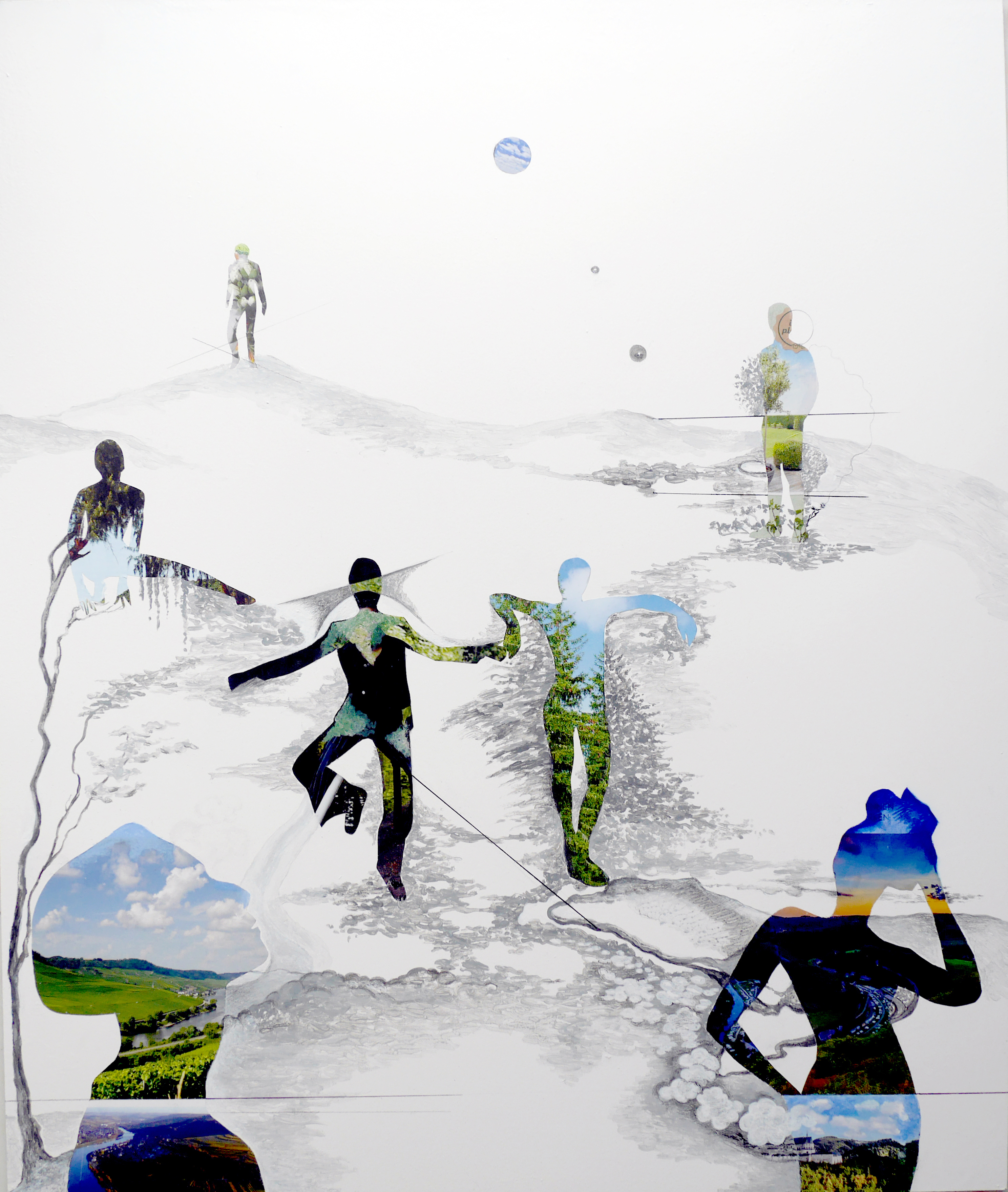
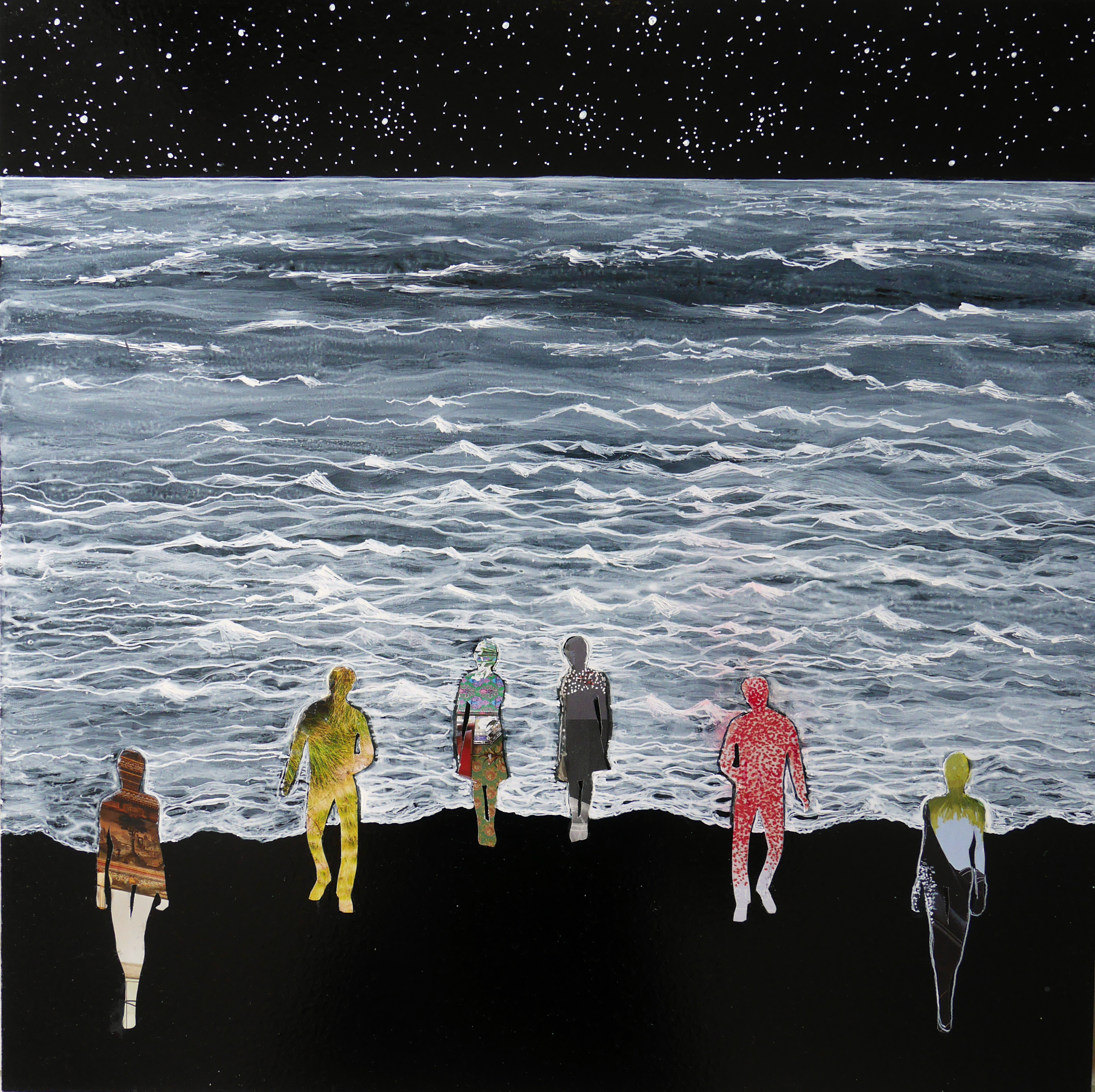
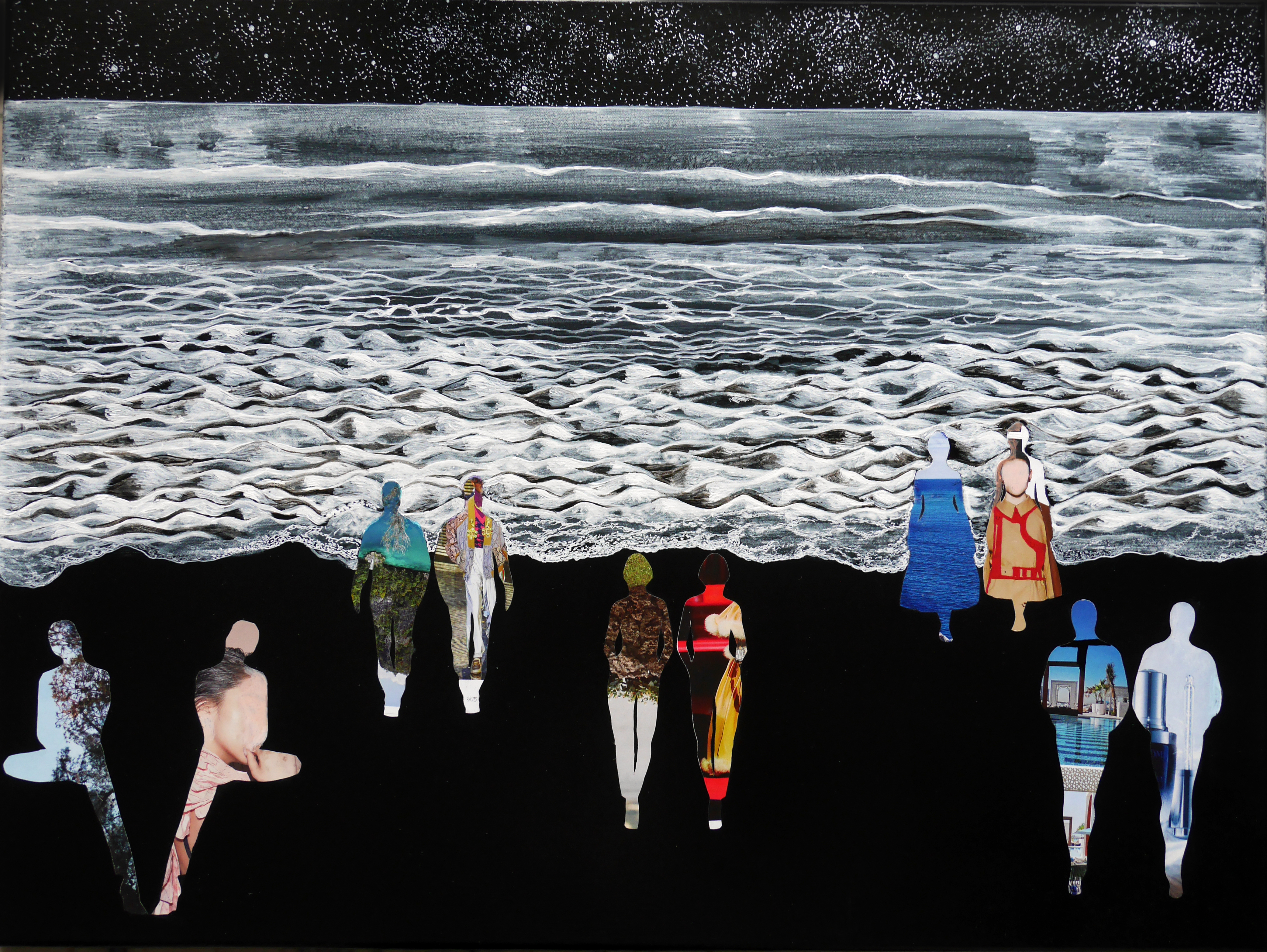
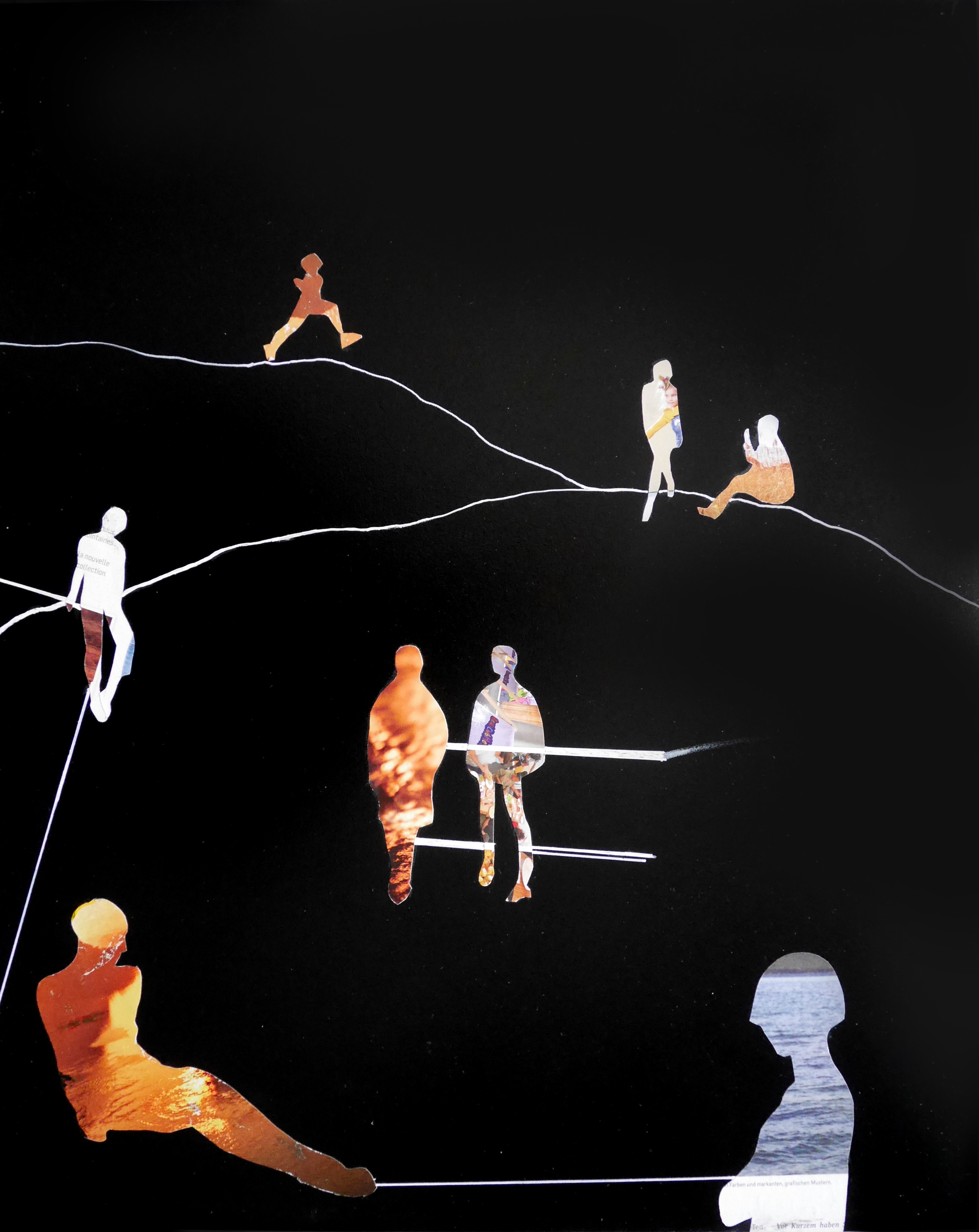
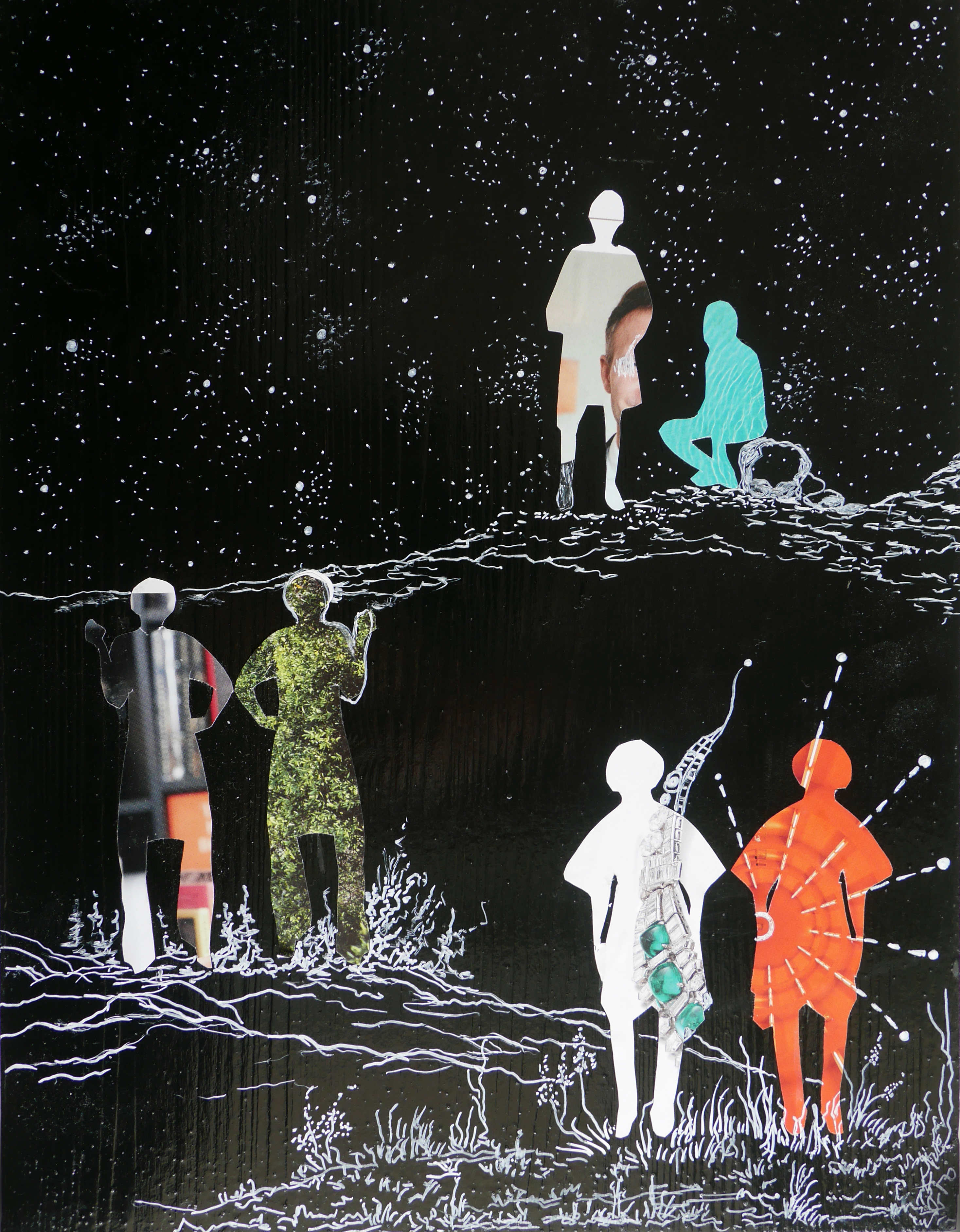
During this period, Gabiani continued to develop Human Landscapes, exploring the human figure as a space in which different environments coexist. Landscapes, architectural structures, interiors, exteriors and elements of nature appear within the figures, blurring the boundaries between the human body and the surrounding world.
In 2020, during the COVID-19 lockdown, Gabiani presented New Works in an online exhibition organised by the Centre de Création Chorégraphique Luxembourgeois at Banannefabrik in Luxembourg. The restrictions on movement and access to physical exhibition spaces formed part of the context in which her work continued to evolve.
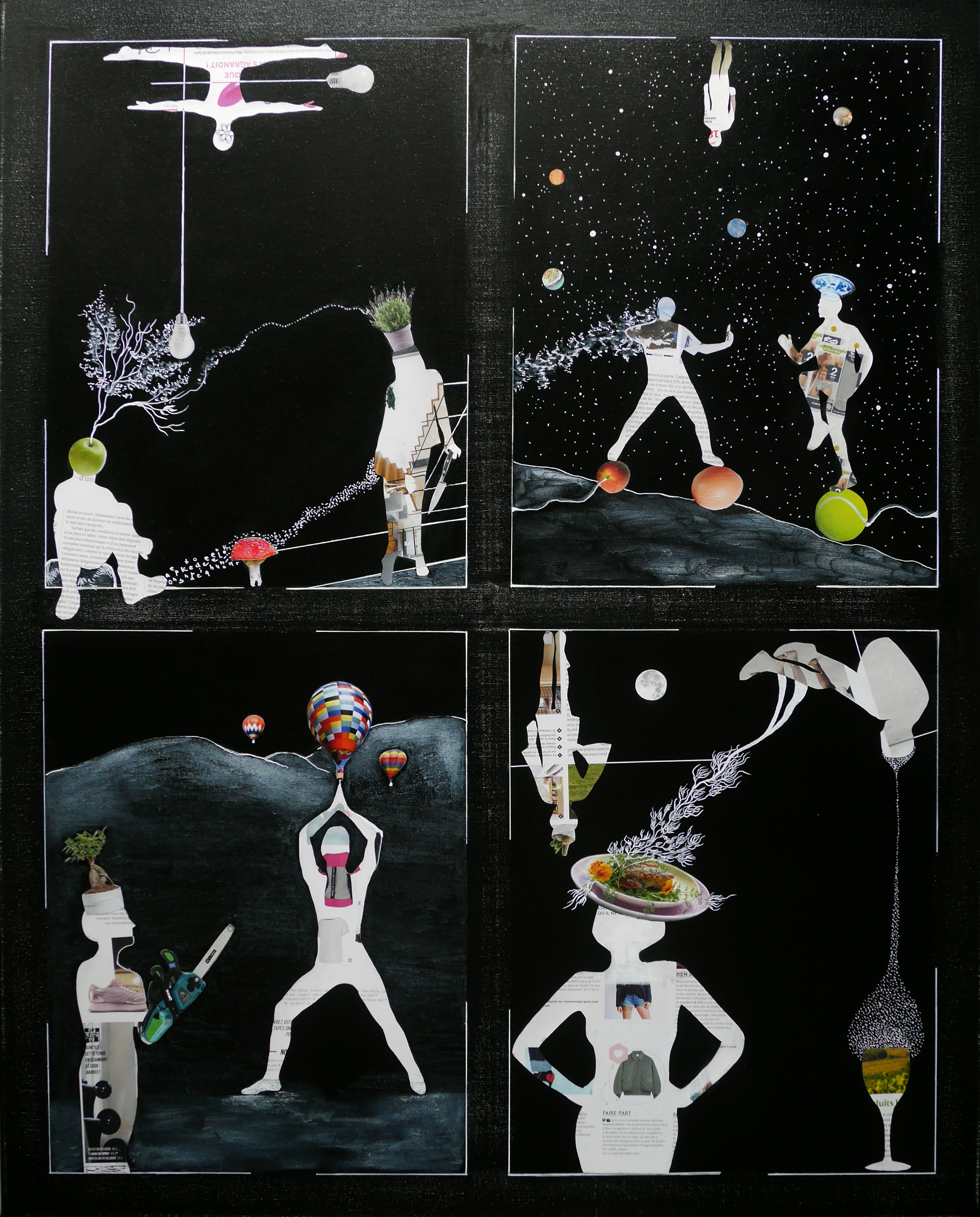
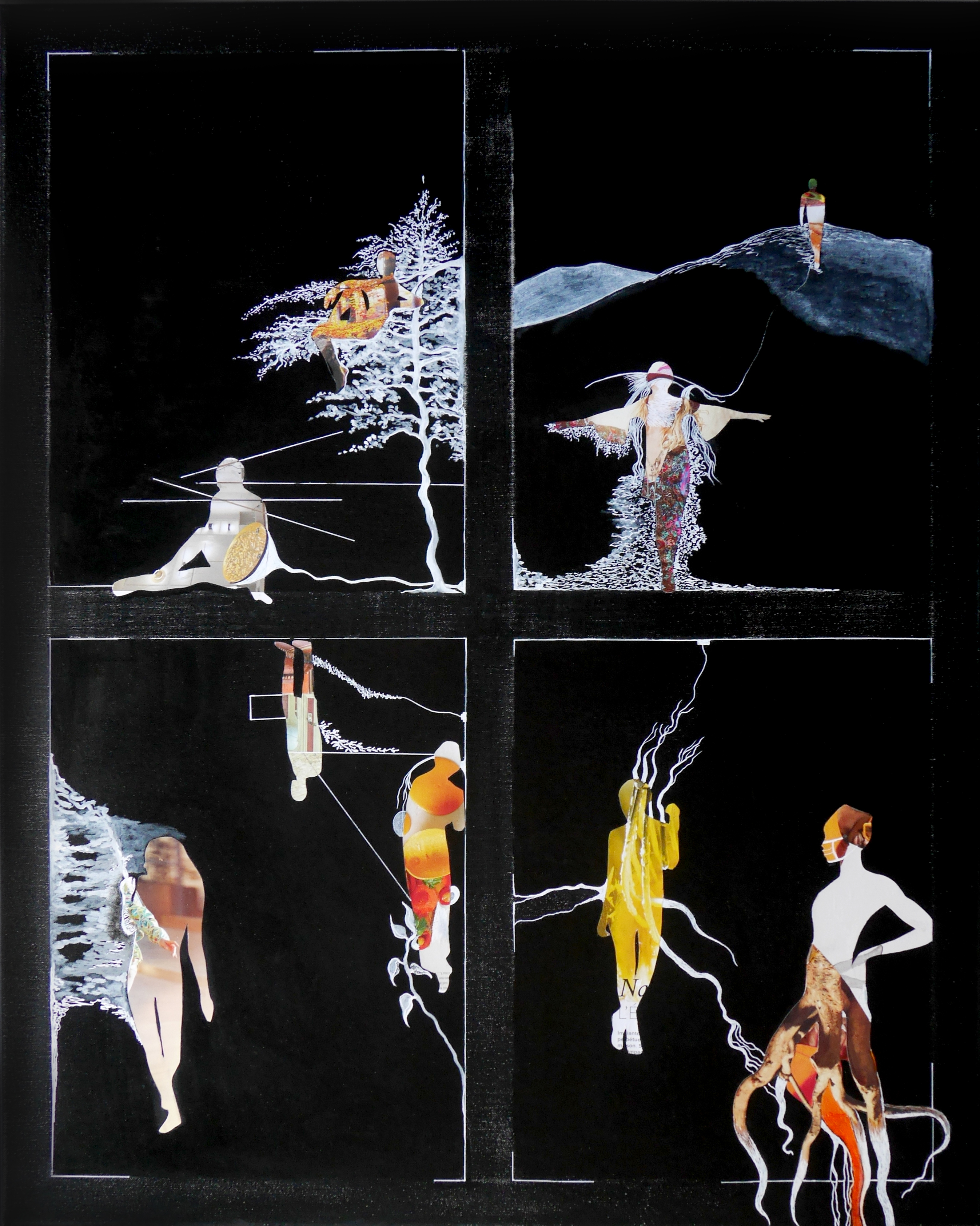
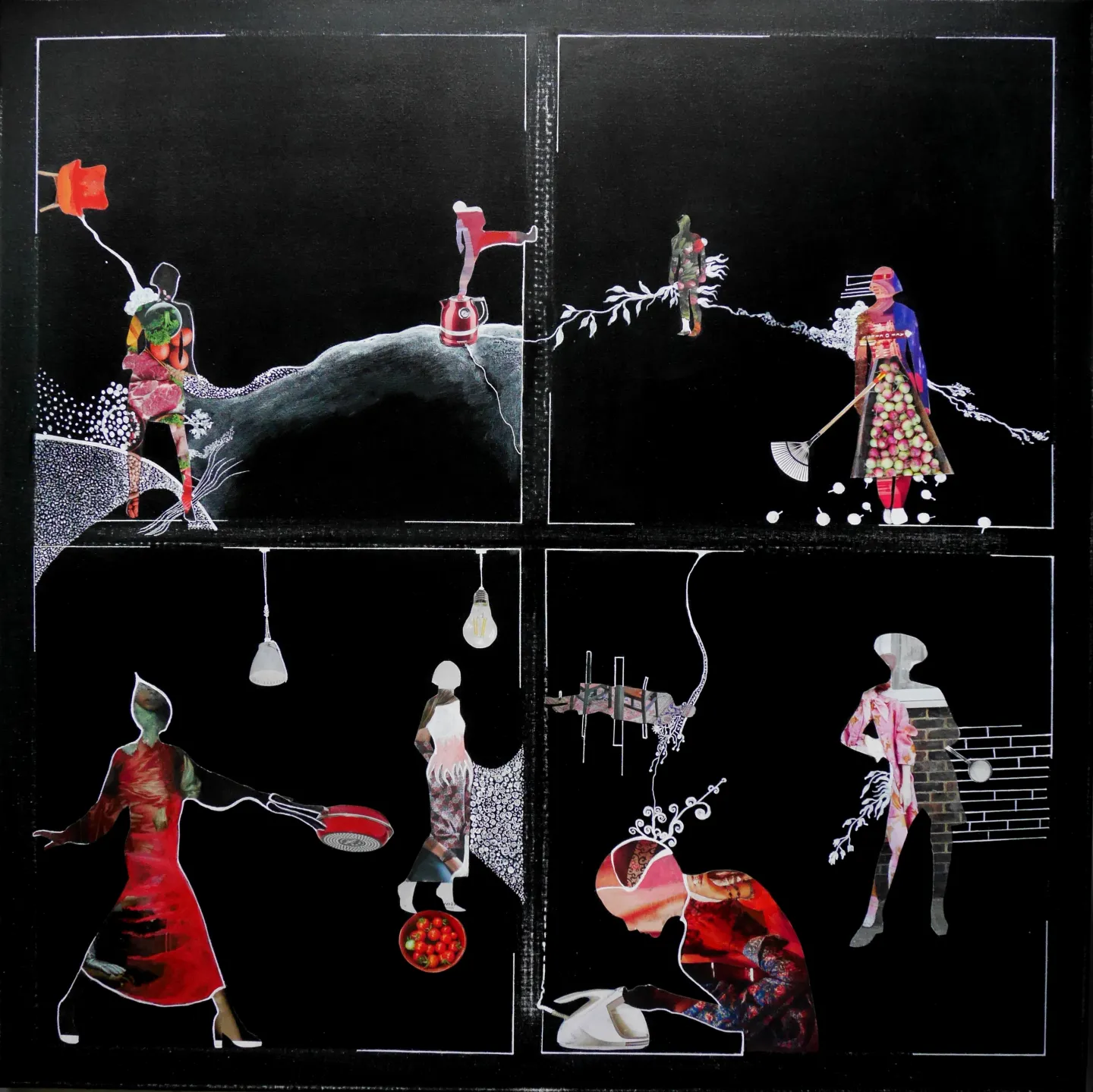
The experience of confinement led to a new development within Human Landscapes. Gabiani began placing figures within window-like structures, questioning the relationship between inside and outside. The idea that what is inside is outside, and what is outside is inside, became central to this exploration. The world could also be understood as something carried within us, challenging the assumption that interior and exterior spaces are separate.
The window structures introduced a new way of seeing the compositions. Some works that initially appeared to be independent images without visible frames were, in fact, close-up views of sections of a larger window. In subsequent works, Gabiani gradually widened the view, revealing the full structure. What had remained beyond the viewer’s field of vision became visible, changing the perception of the earlier compositions. The frame had been present all along, concealed by the scale and perspective of the image.
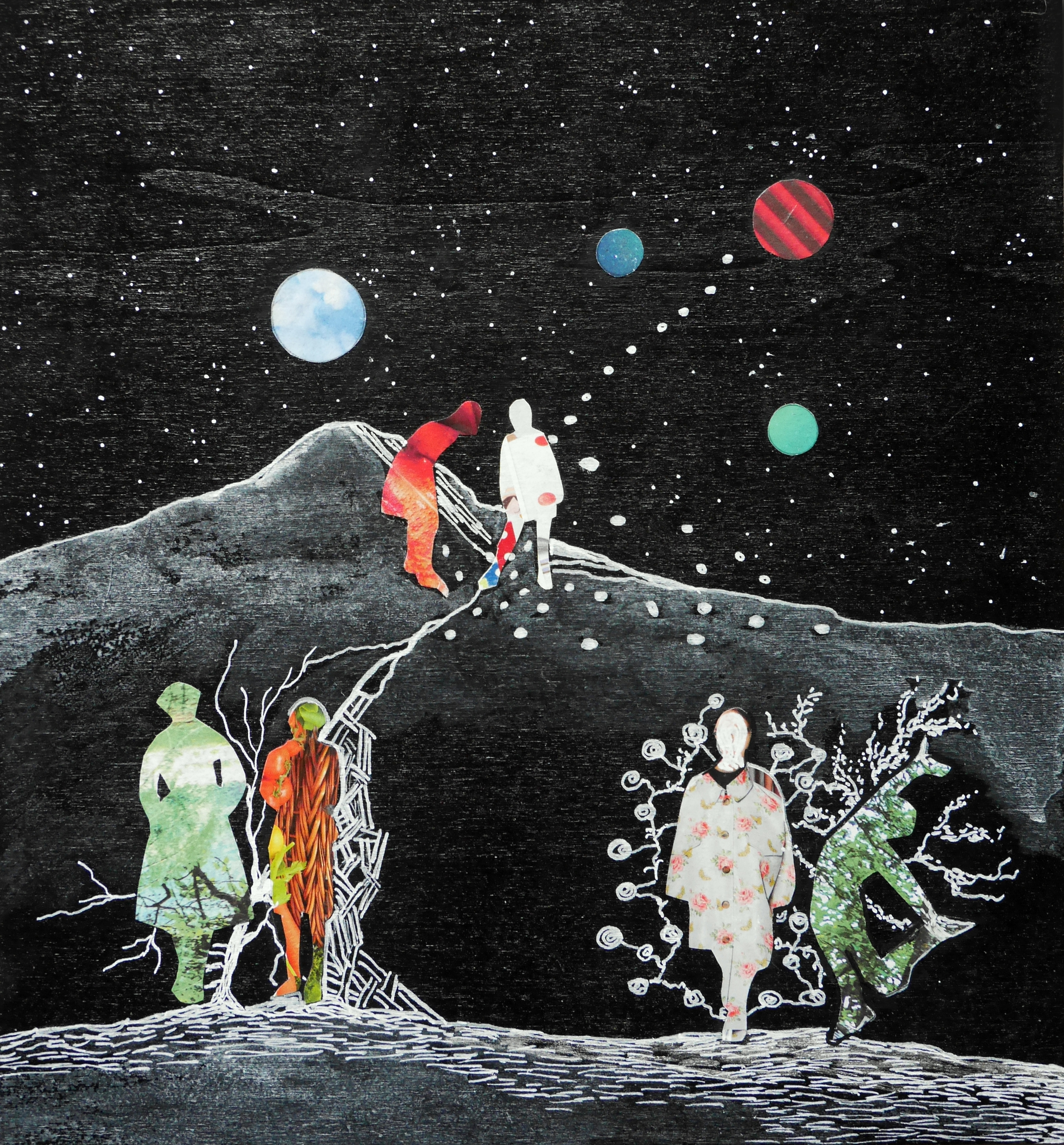
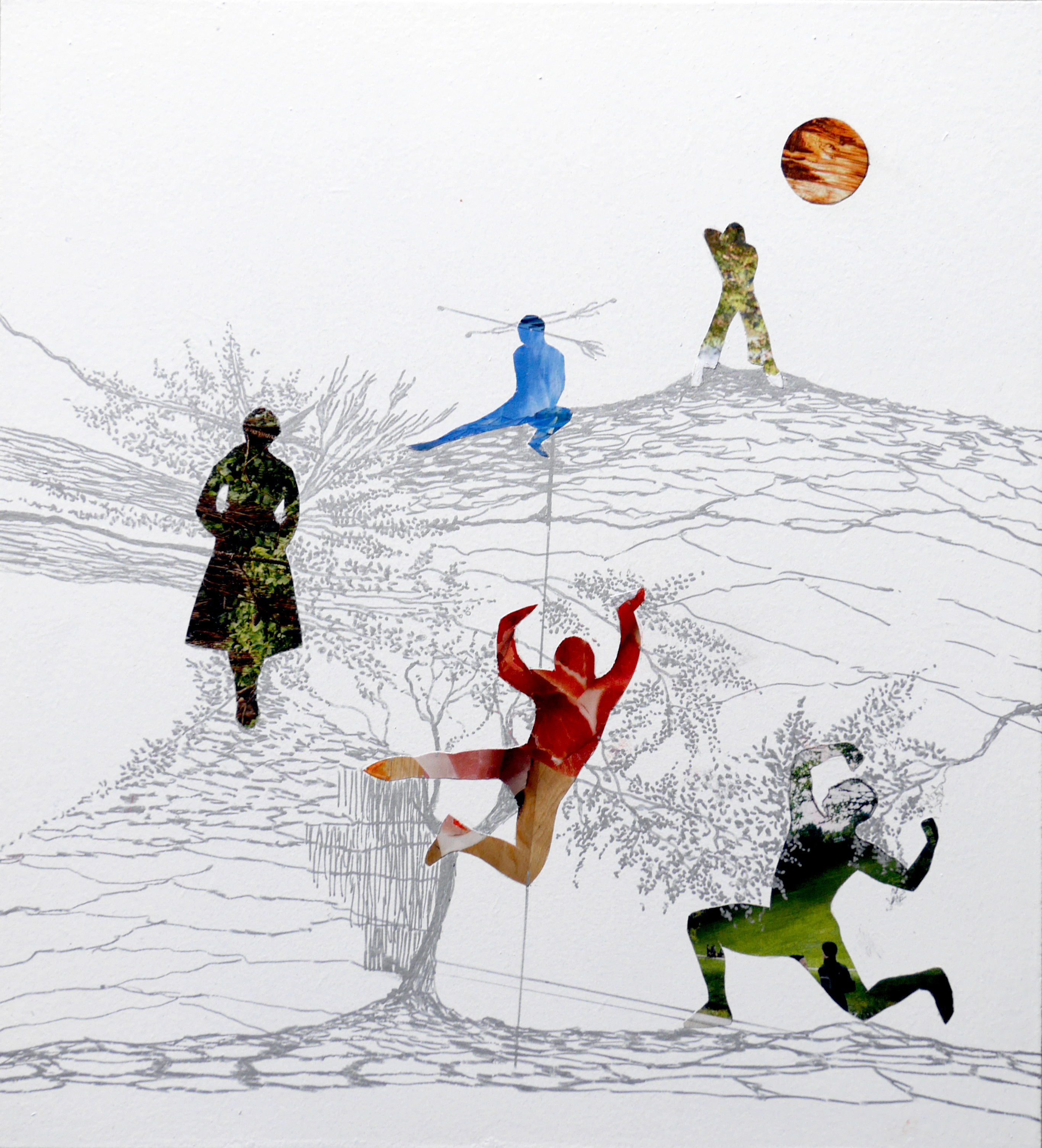
These developments were presented in Théâtre Intérieur, Gabiani’s solo exhibition at Galerie PJ in Metz, France, from 23 January to 27 February 2021. Most of the works in the exhibition were created during the period of confinement. The darkened or pale surfaces of the panels and canvases became theatrical spaces inhabited by enigmatic figures and everyday objects. Through these compositions, Gabiani explored uncertainty, perception and the relationship between the individual and the surrounding world.
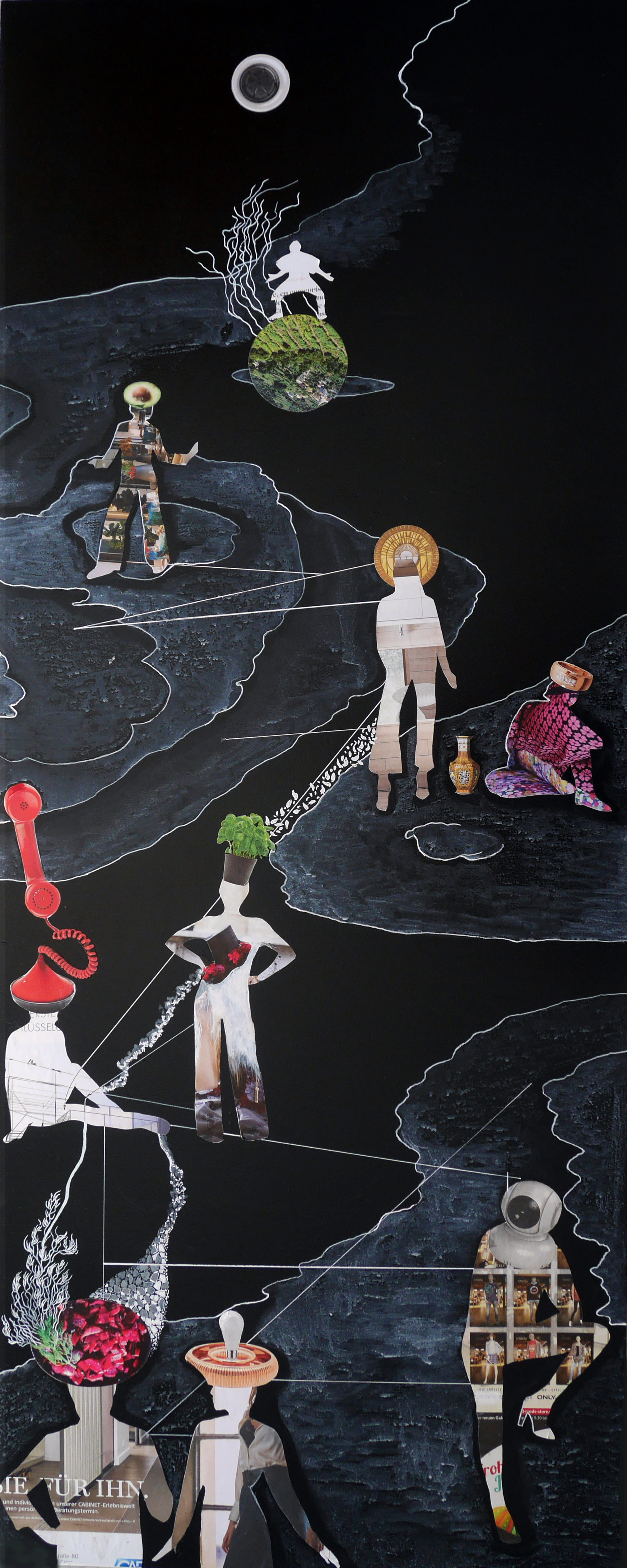
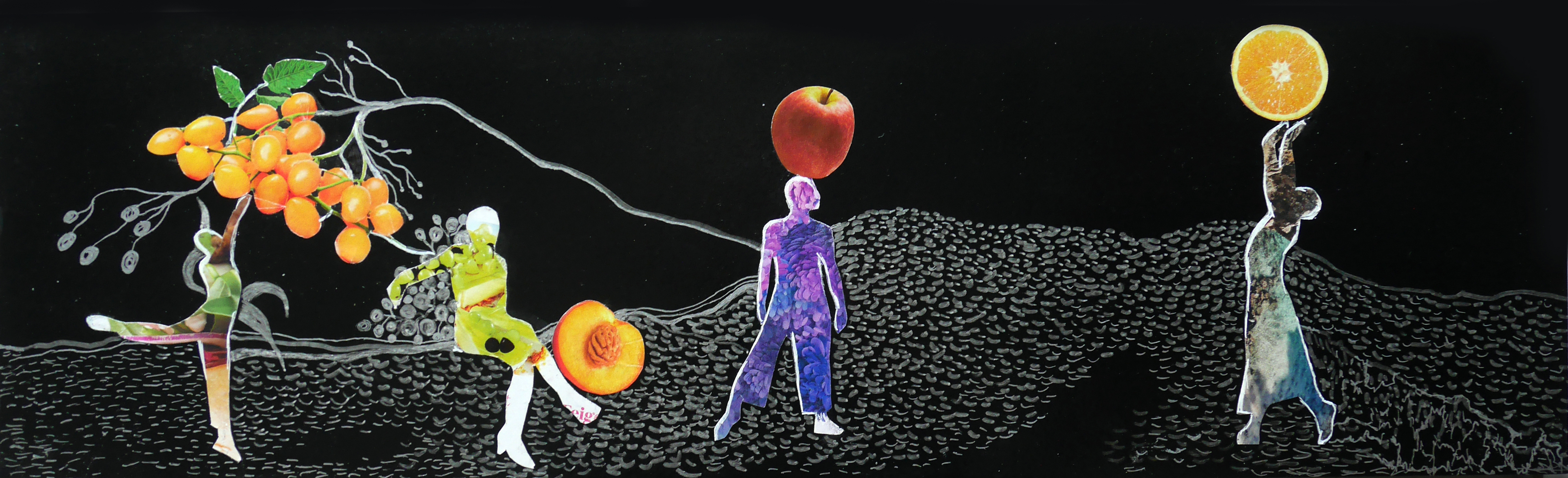
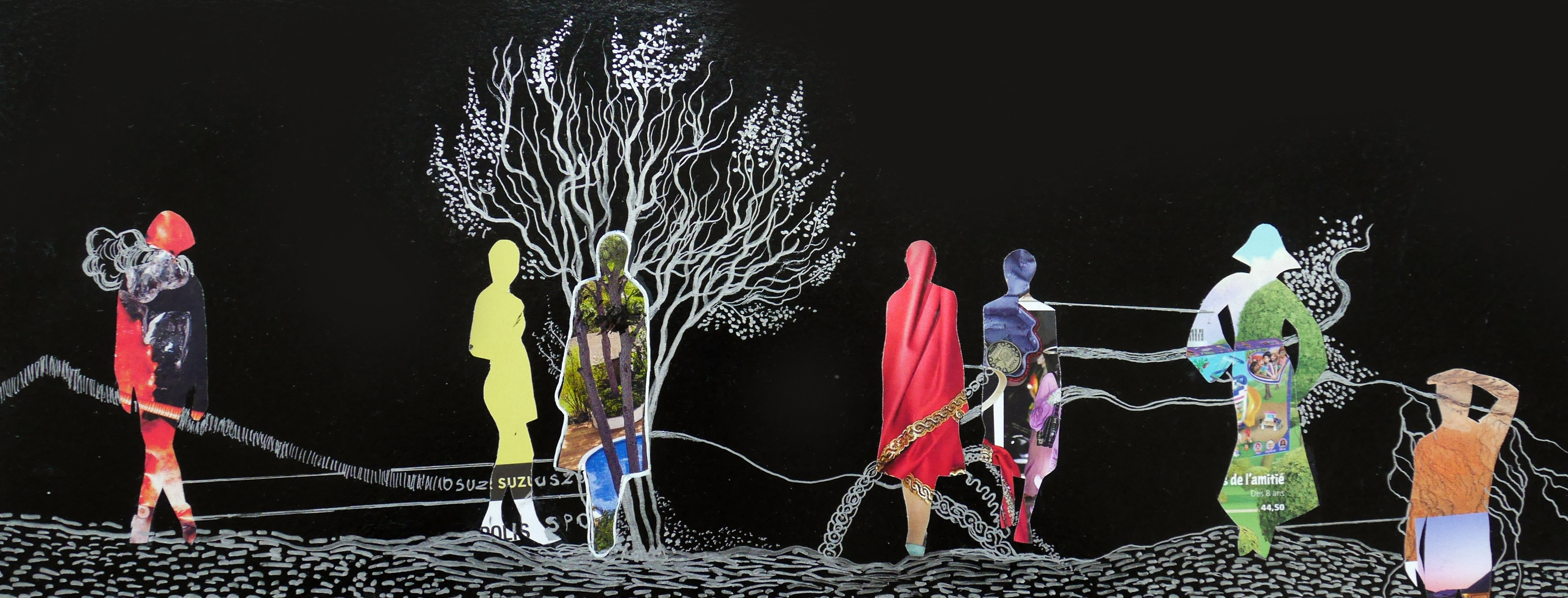
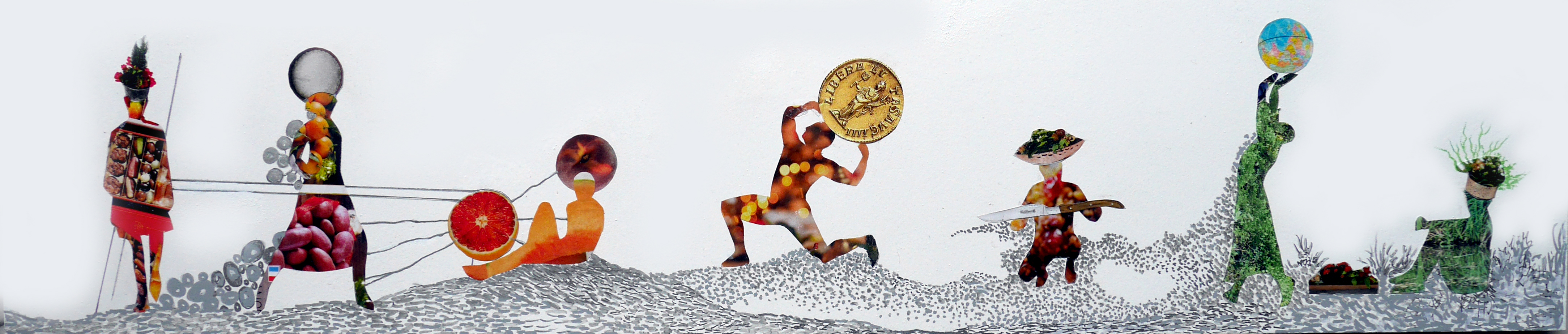
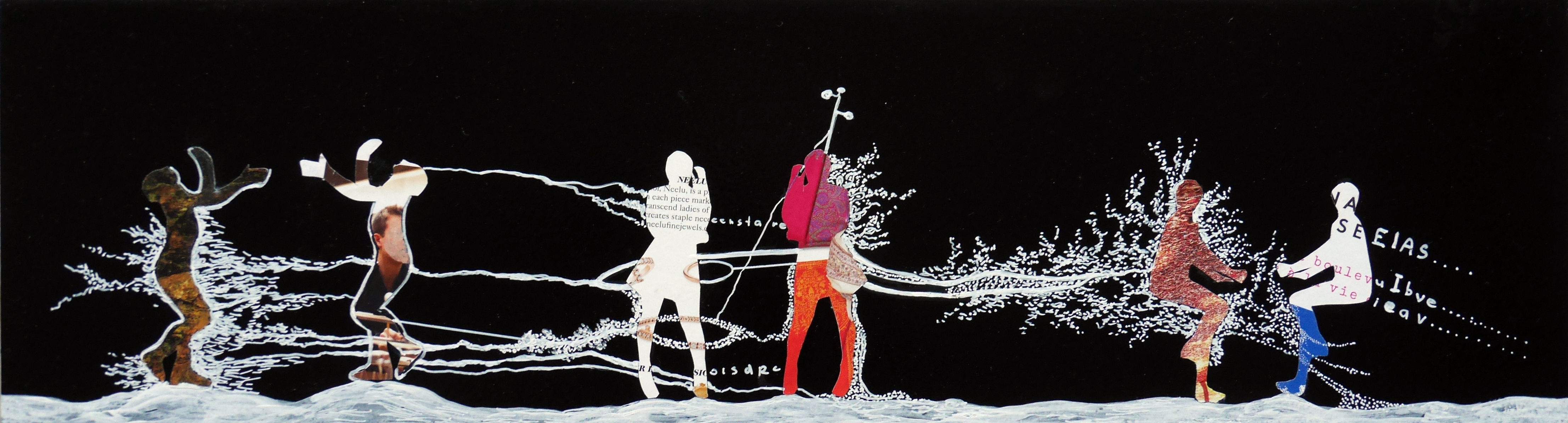
Alongside the development of Human Landscapes, Gabiani continued exploring elongated compositions first developed in Human Landscapes: Dance of Titans, presented at Raffaella De Chirico Arte Contemporanea in Turin in 2019. This direction evolved into a series of smaller paintings on panels. Fifteen works from this series were presented in Théâtre Intérieur, extending the earlier visual language into a more compact format while continuing to explore relationships between human figures, fragments of landscape and the Crawling Pattern.
The works from 2019 included on this page mark a transitional stage in the development of Gabiani’s visual language. They precede the point at which the frame became an integral part of the composition, while revealing the continuity of ideas that developed further in the works of 2020–2021.
Across these different bodies of work, Gabiani continued to investigate boundaries, scale and perception. The window structures and elongated compositions became distinct ways of exploring how apparently separate elements connect, transform and reveal relationships that are not immediately visible.