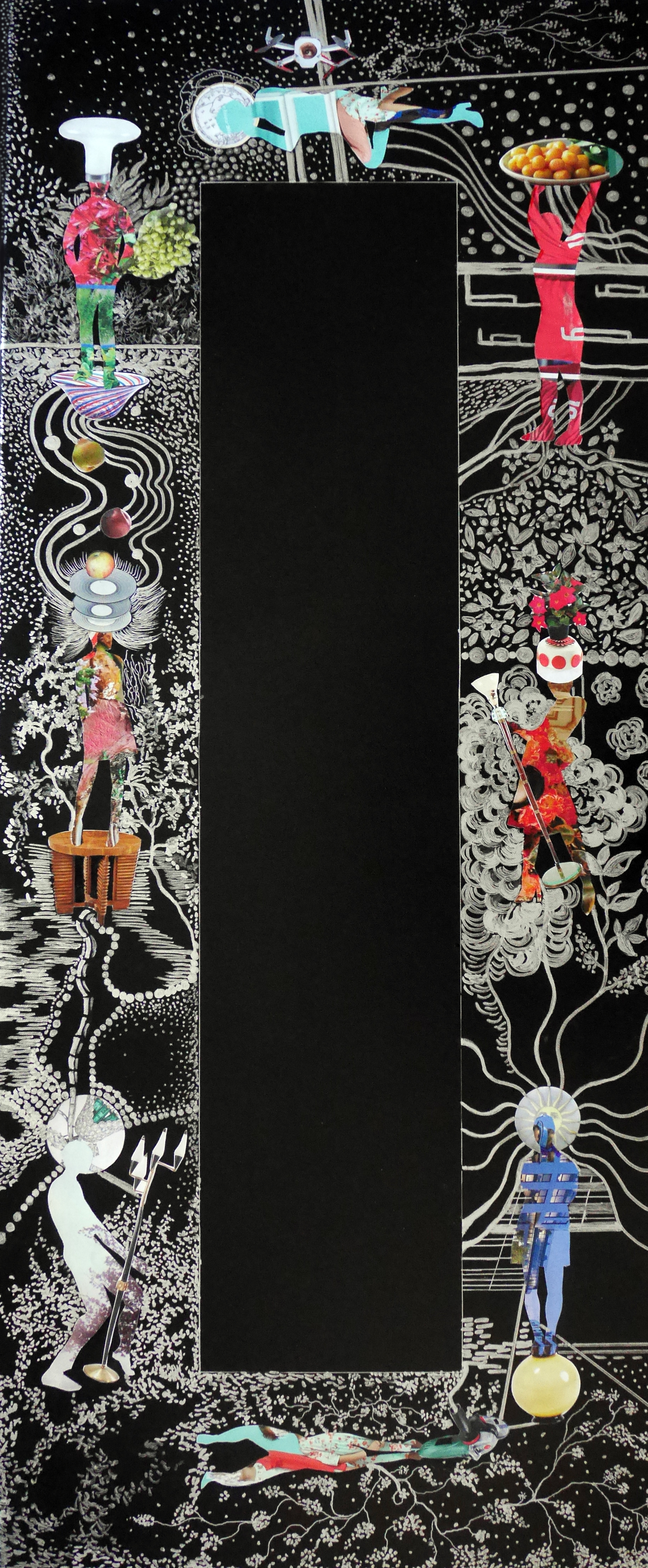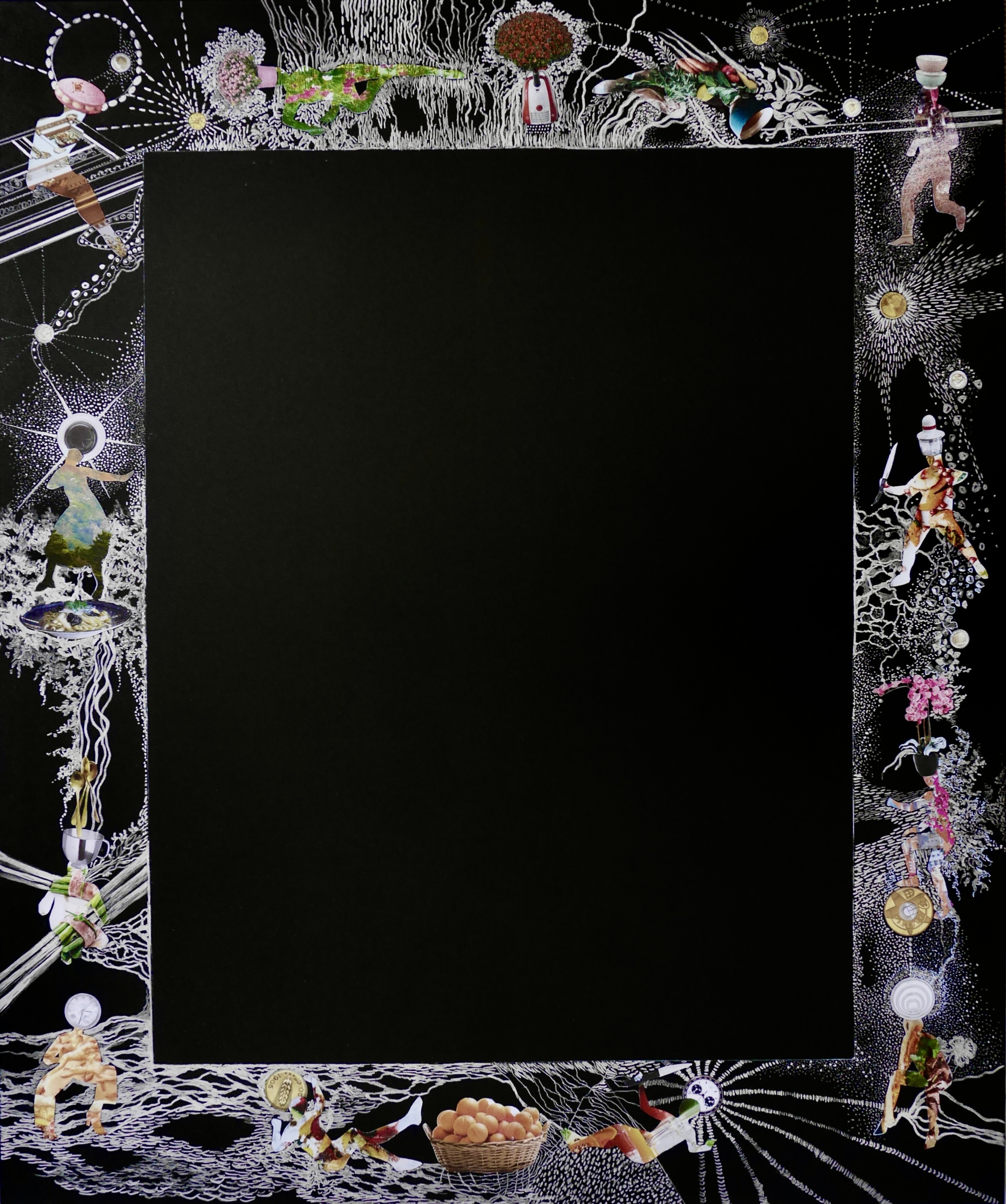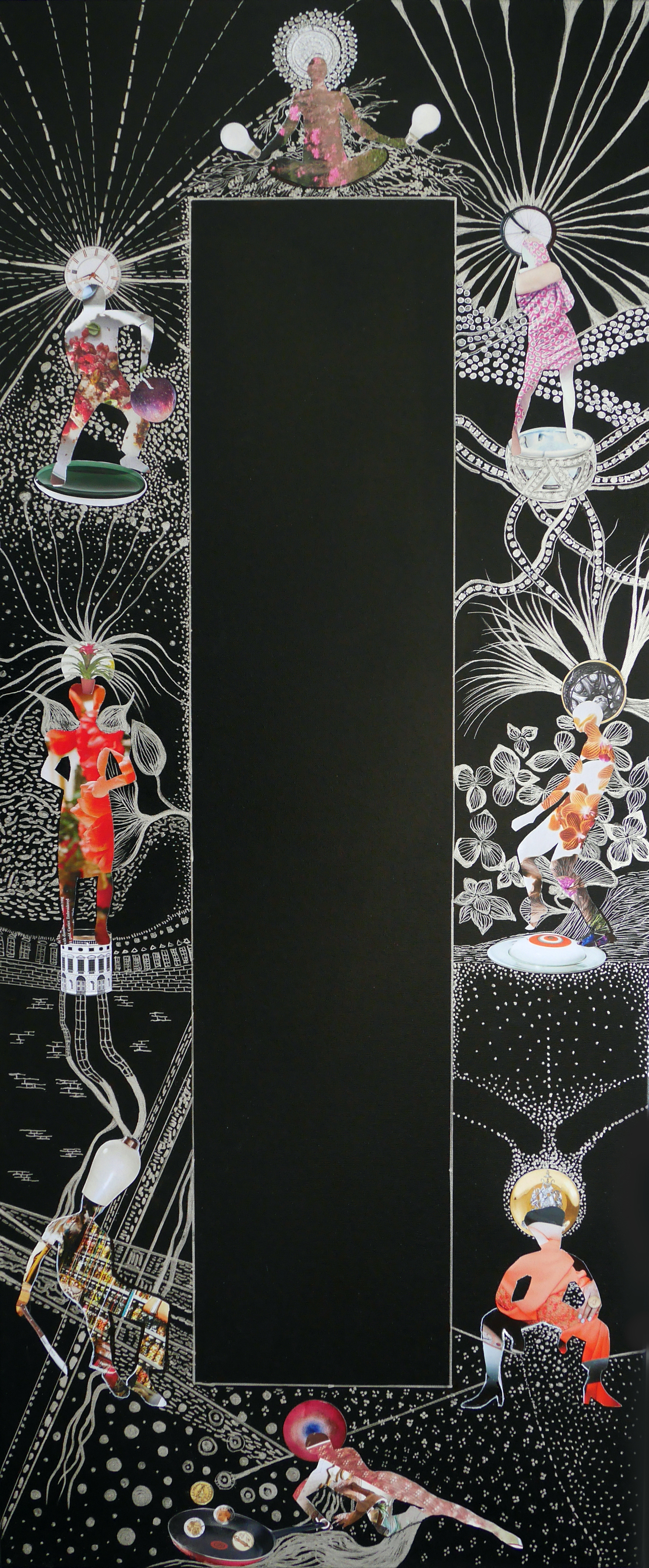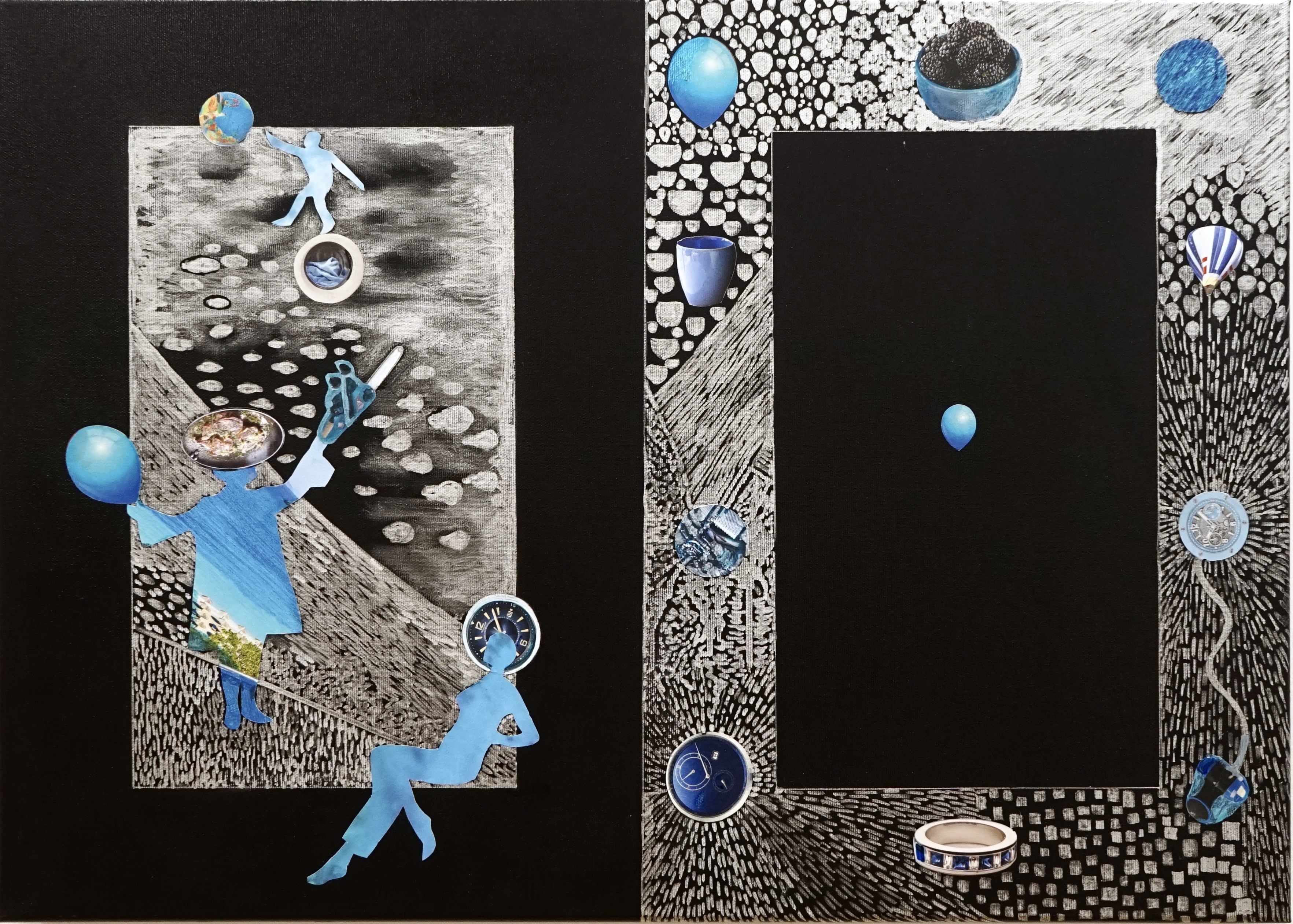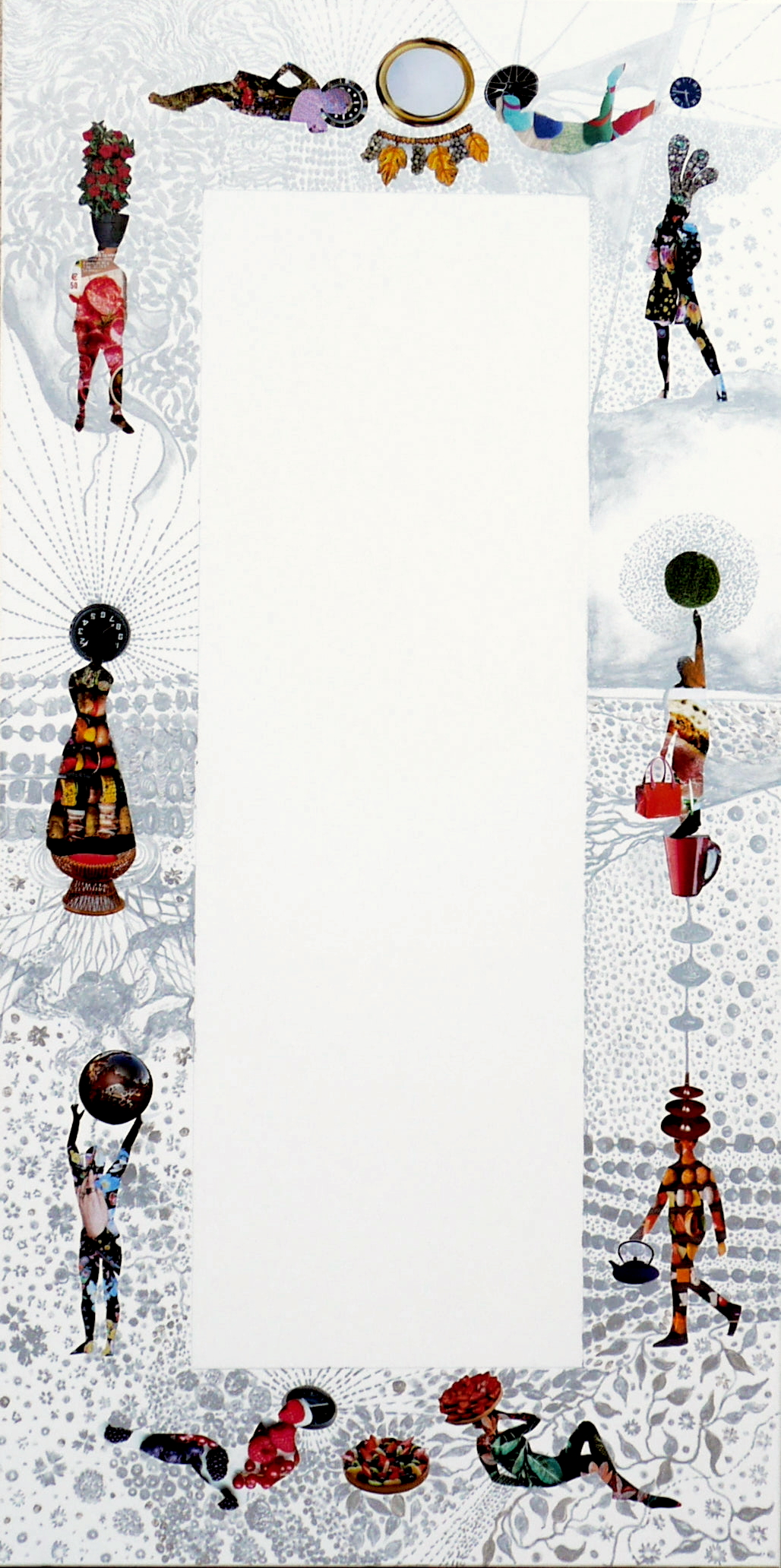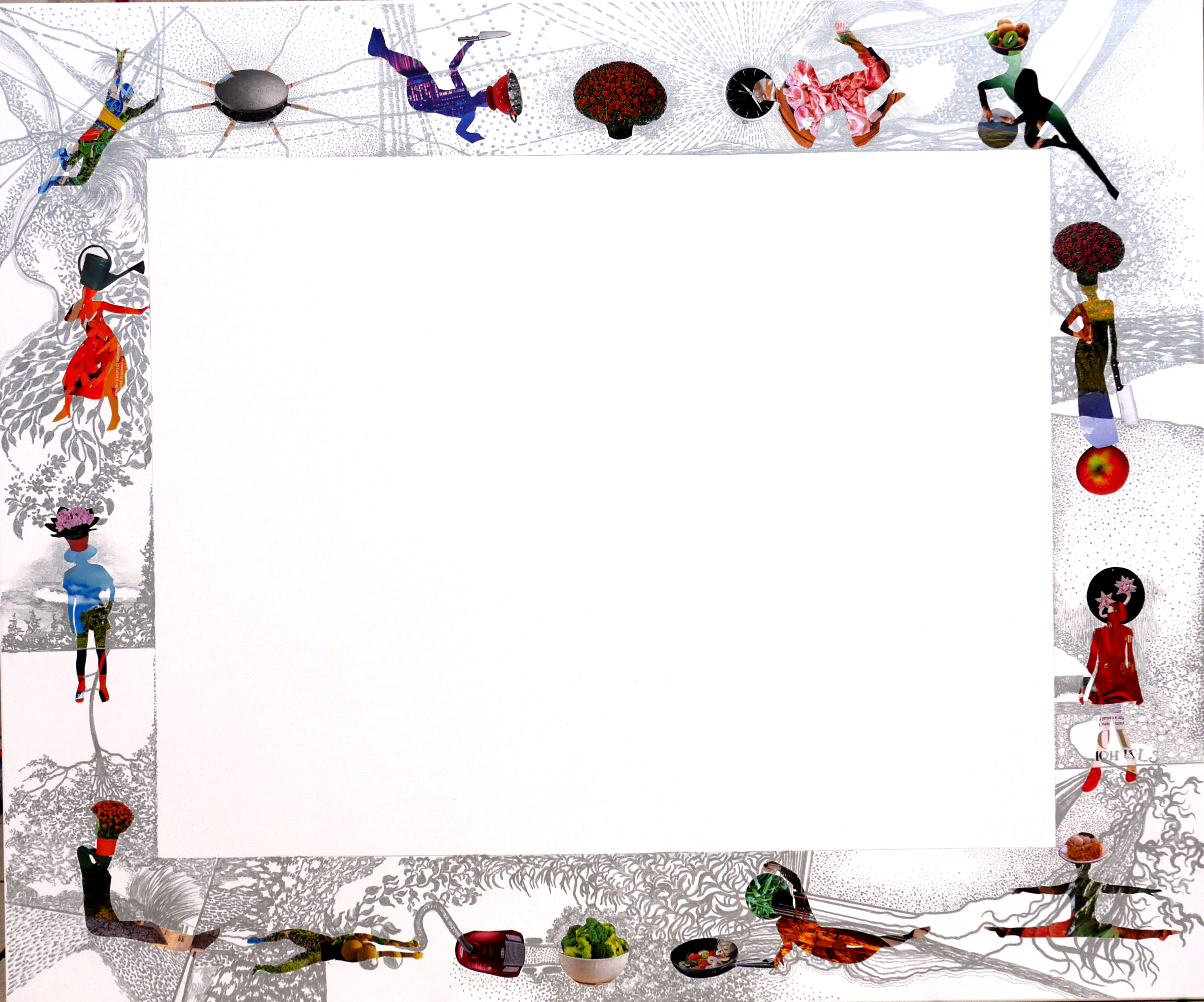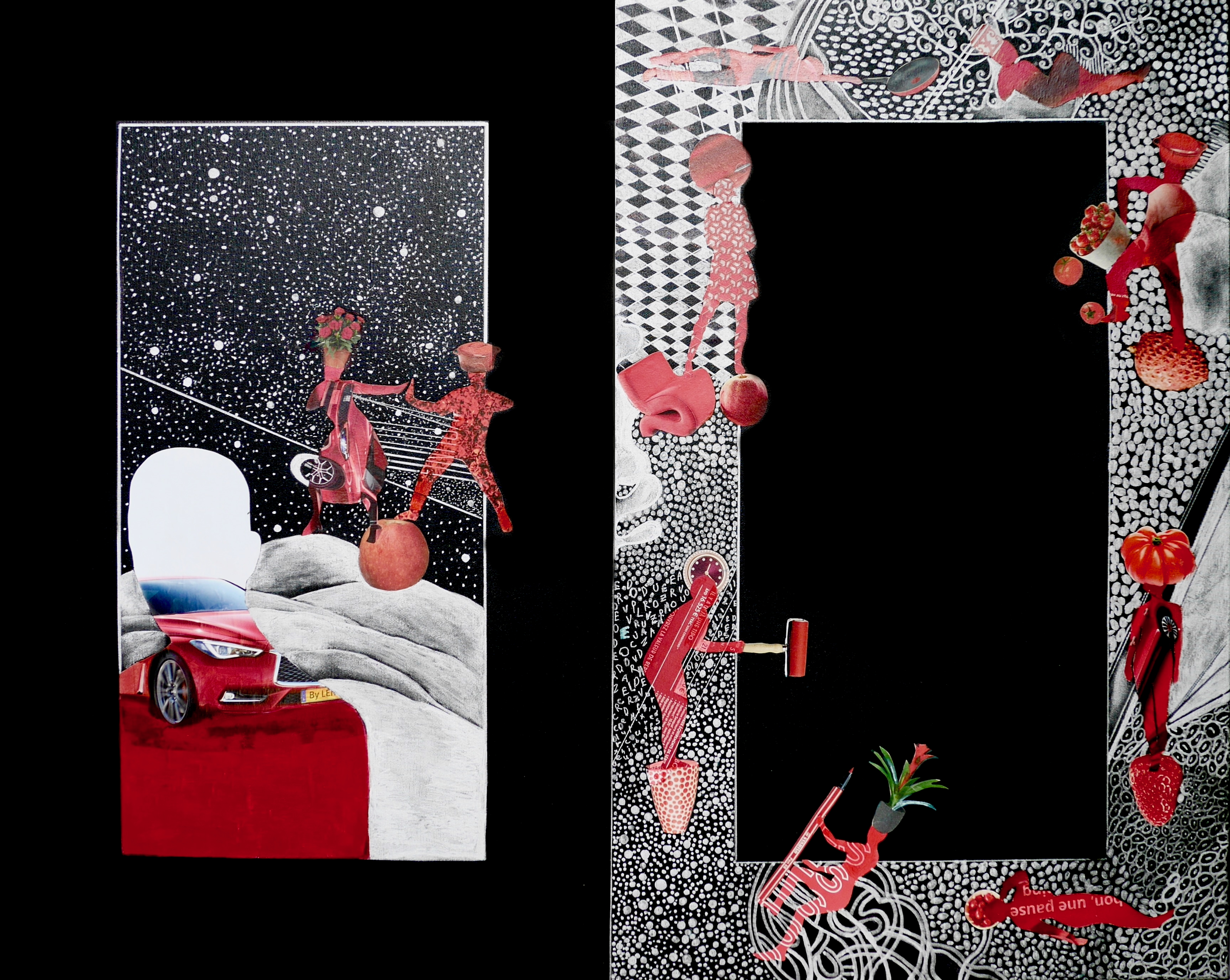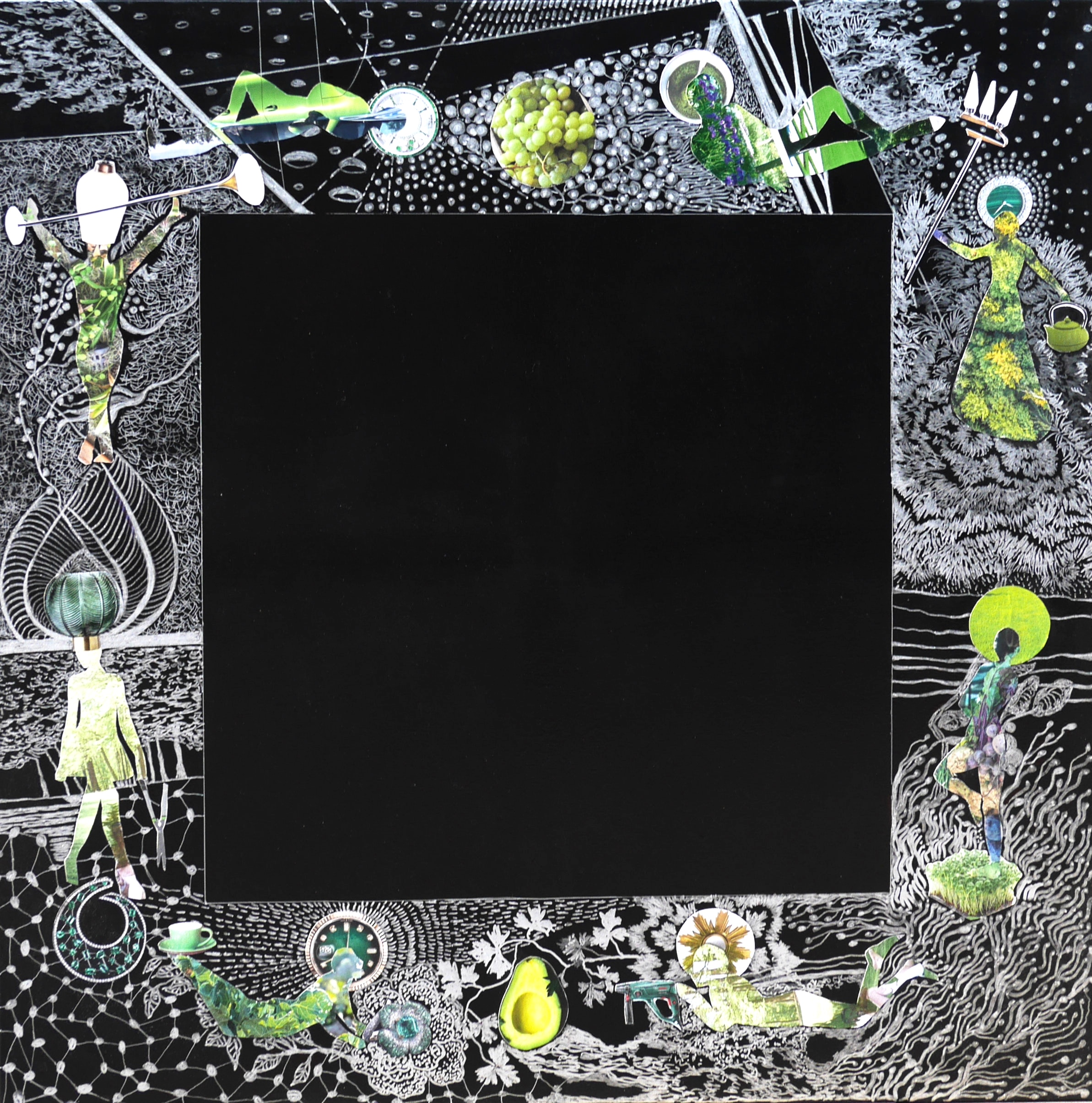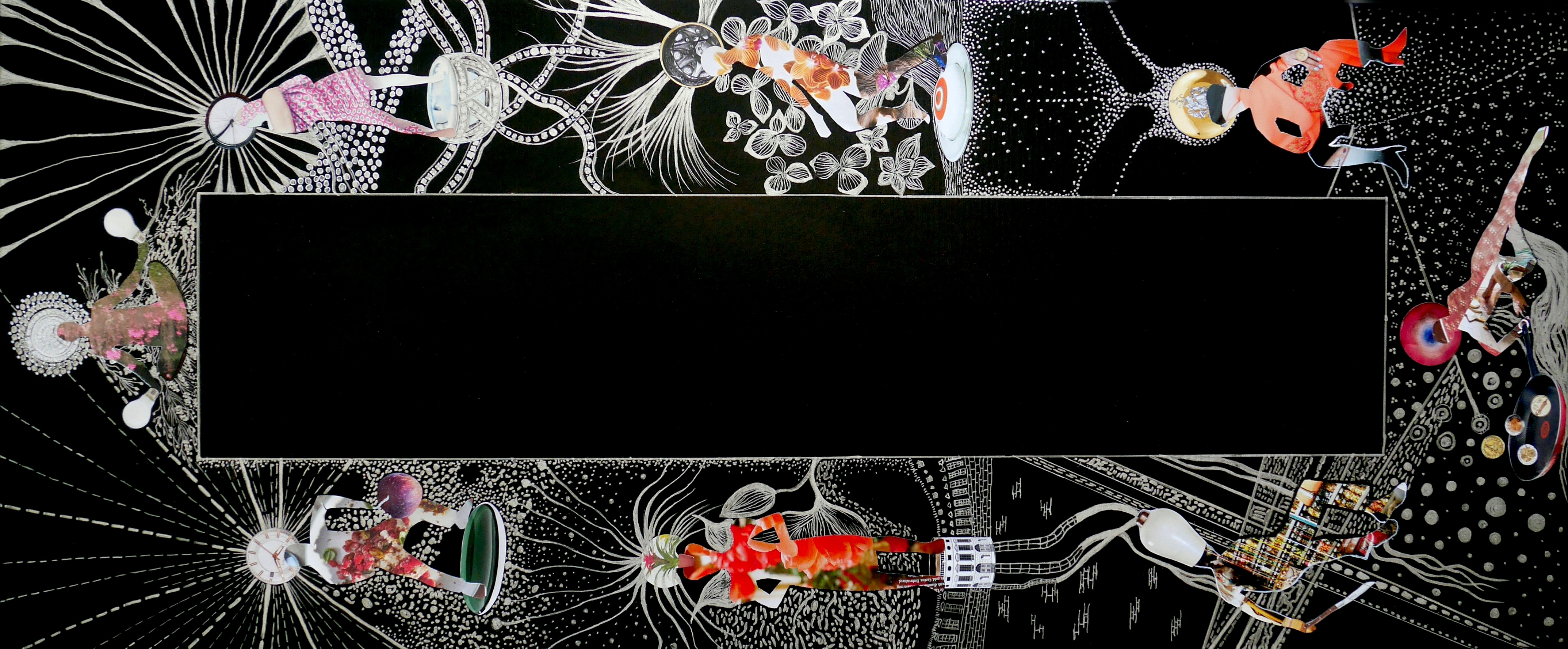
In this period, earlier ideas in Gabiani’s practice returned through new visual languages and new systems of rules. Rather than abandoning previous investigations, she revisited them from different positions, allowing familiar concerns to reappear transformed through new experiences.
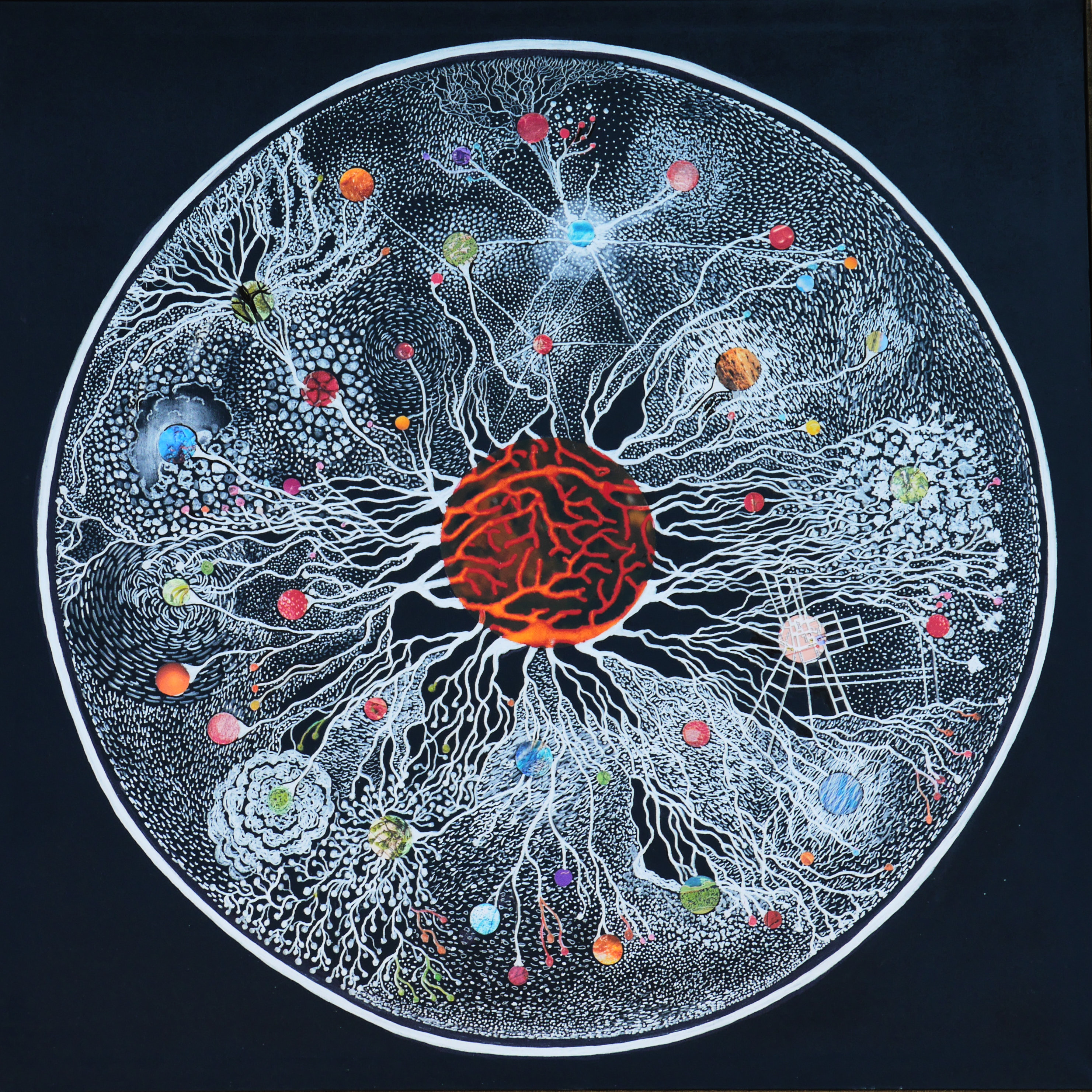
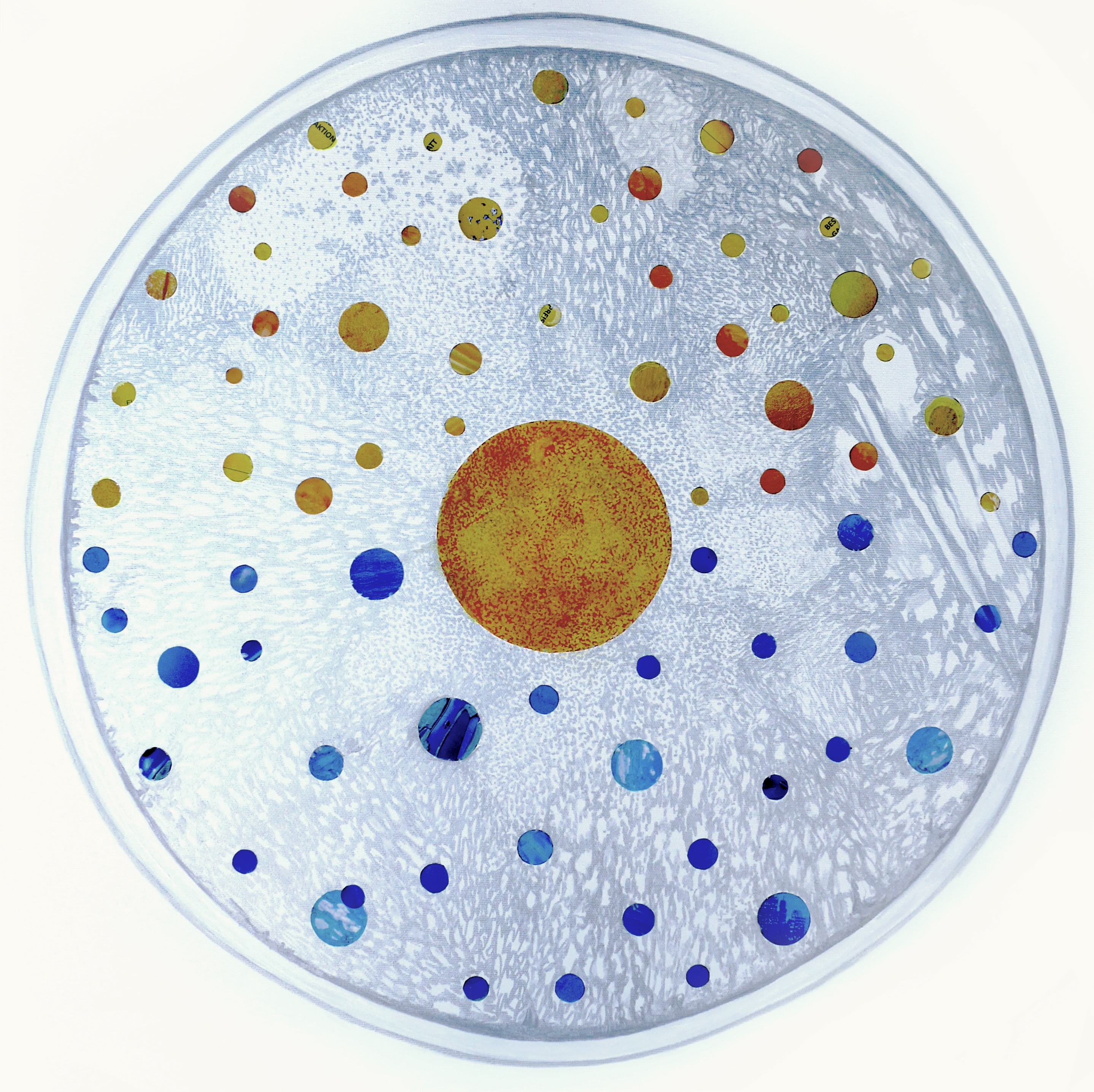
In Circular, presented at Fellner Contemporary in Luxembourg in 2022, Gabiani returned to one of the earliest concerns of her practice: the relationship between the micro and the macrocosm. Organised through the circle, this investigation brought micro and macro forms together while introducing a further association with the pupil of an eye and the act of seeing. One of the circles incorporates the colours of the Ukrainian flag, connecting the exploration of interconnectedness to the reality of war.
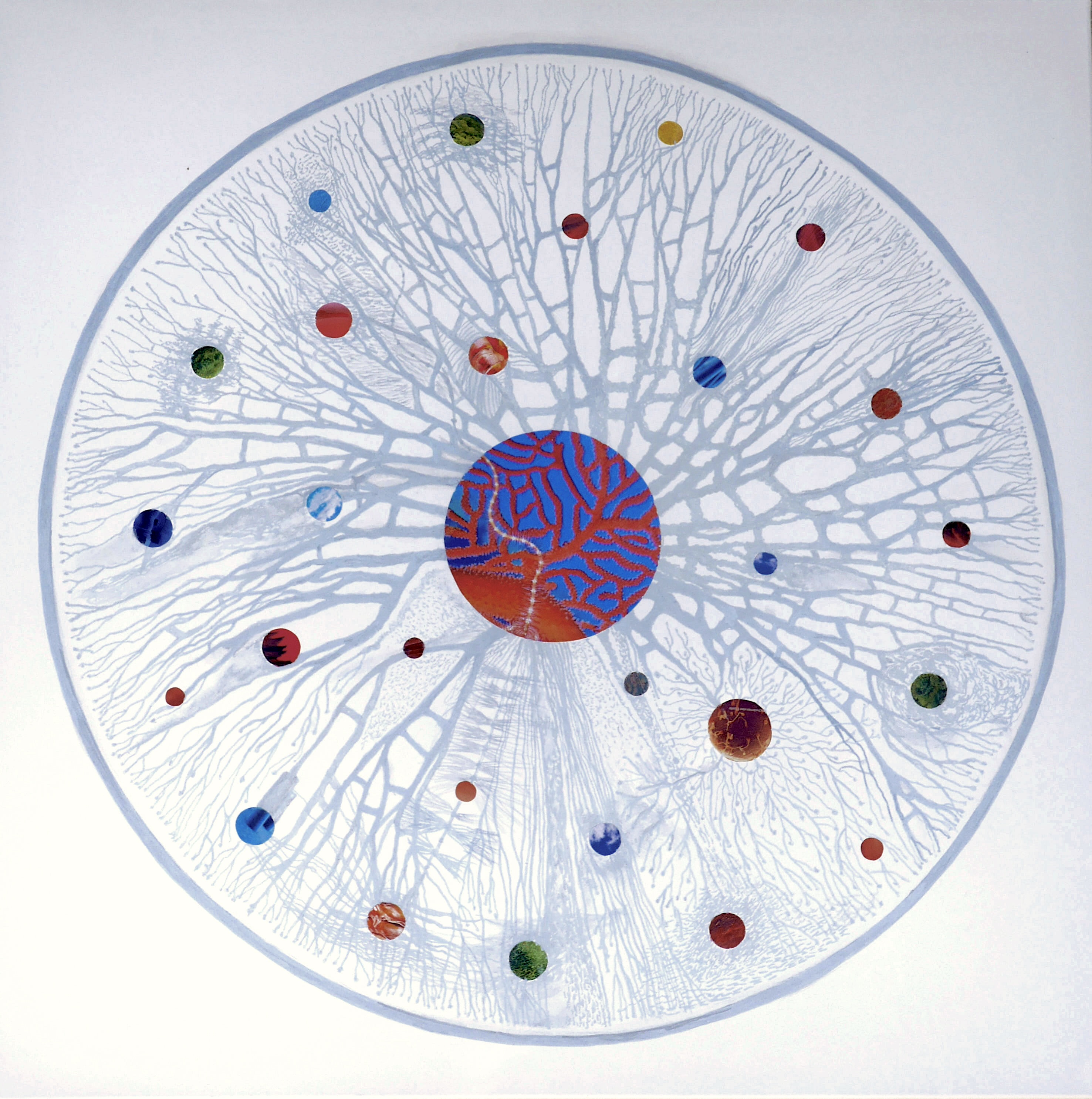
The relationship between past and present was also revealed through the exhibition, where works from different periods were presented alongside one another. Their unexpected affinities showed how an underlying idea could return in a different visual language. Multicoloured Black Circle (2022), for example, resonates with Interrelated Universe (2007–2015), bringing an earlier investigation into a new form.
These returns to earlier ideas were accompanied by another important development in Gabiani’s practice: a new approach to minimal structures, in which simplicity became a starting point for revealing complexity.
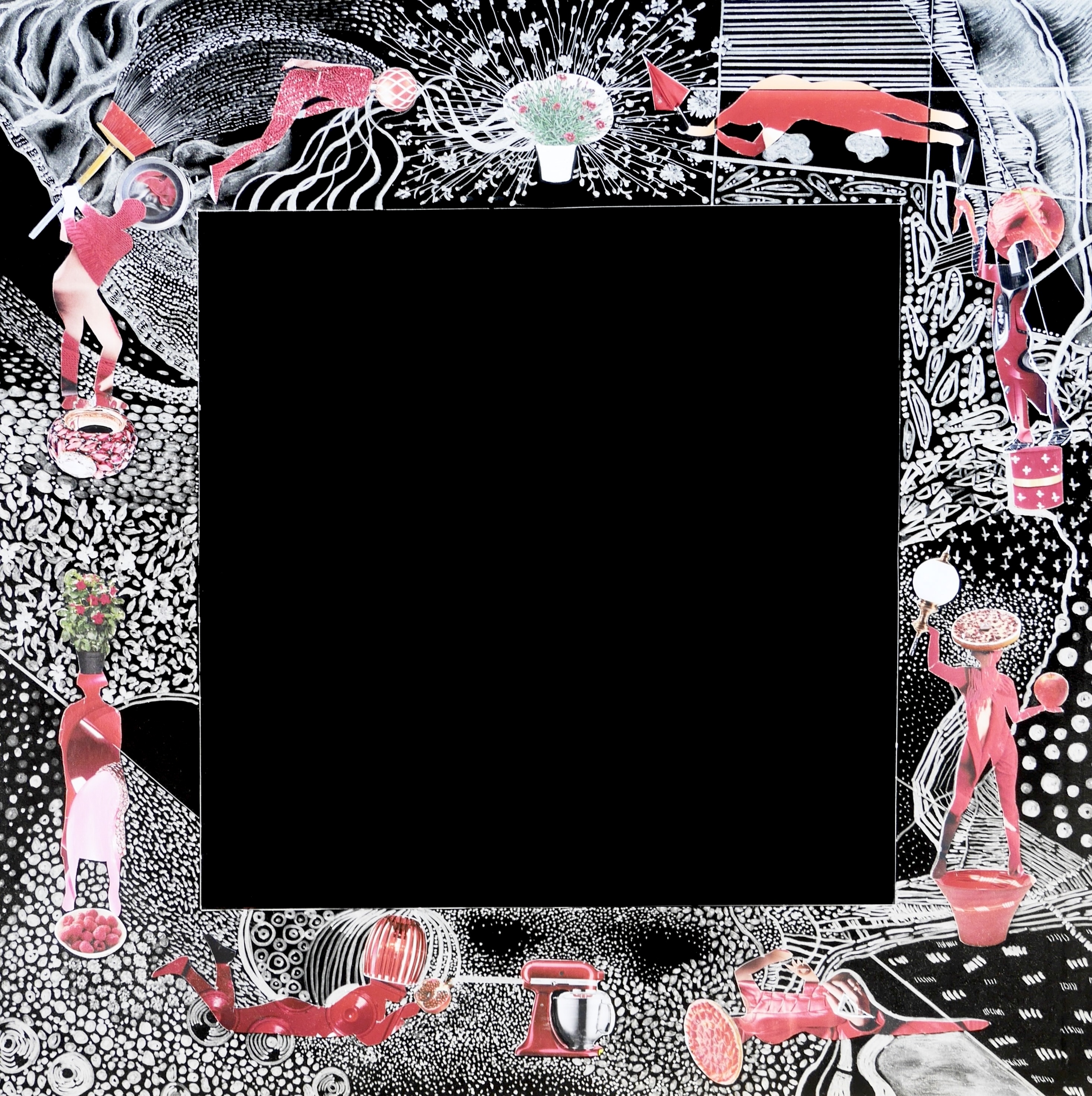
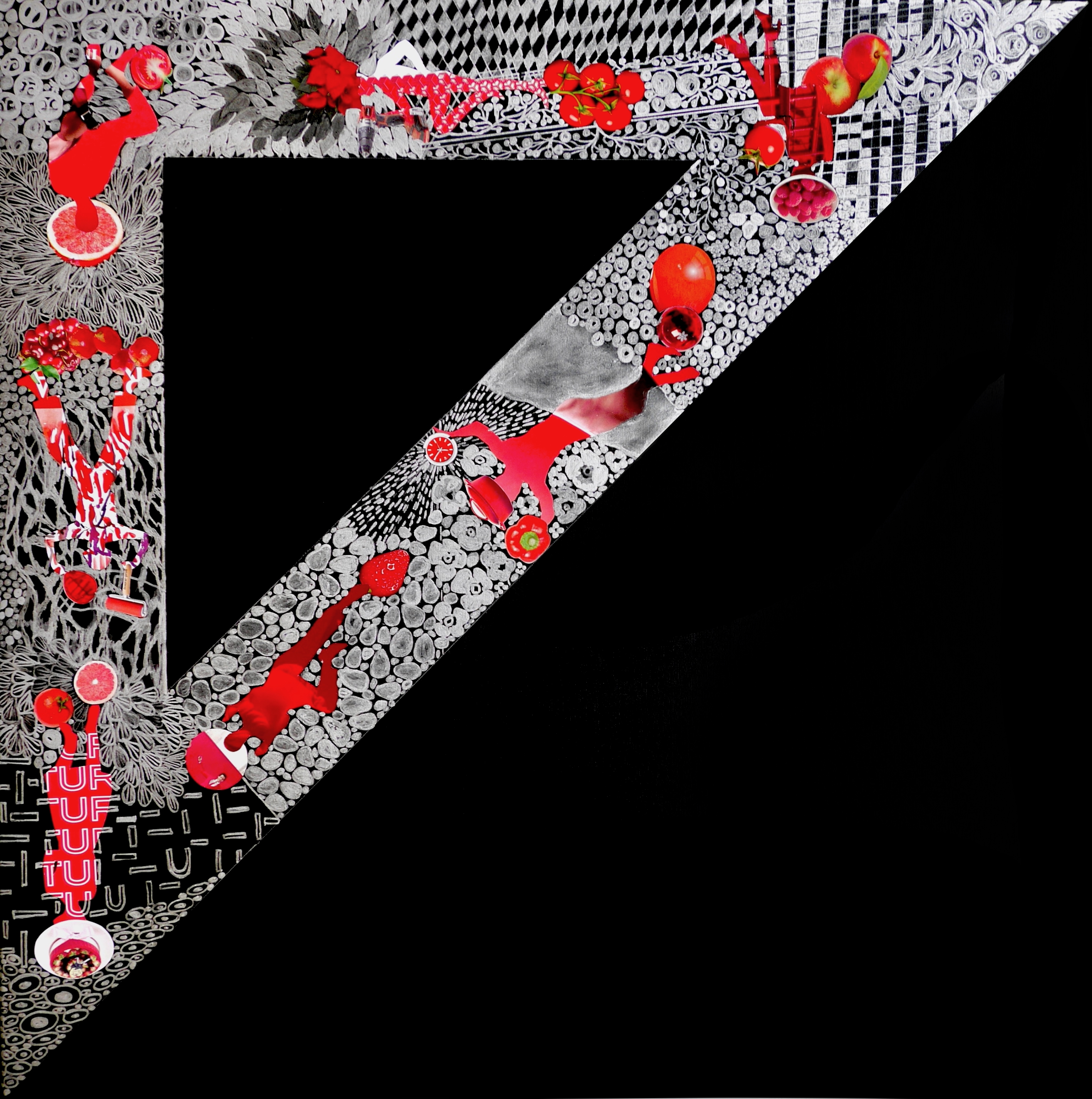
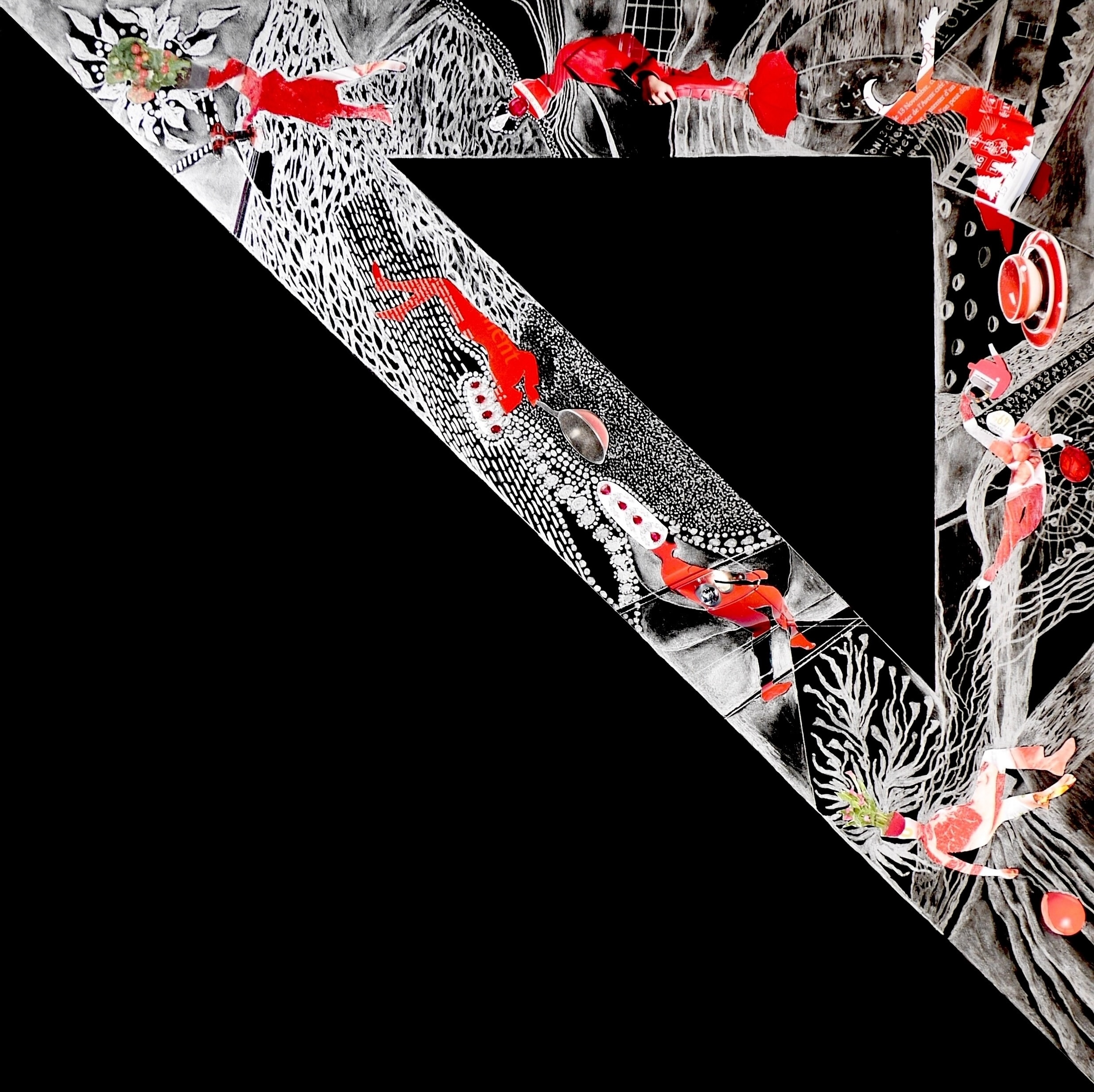
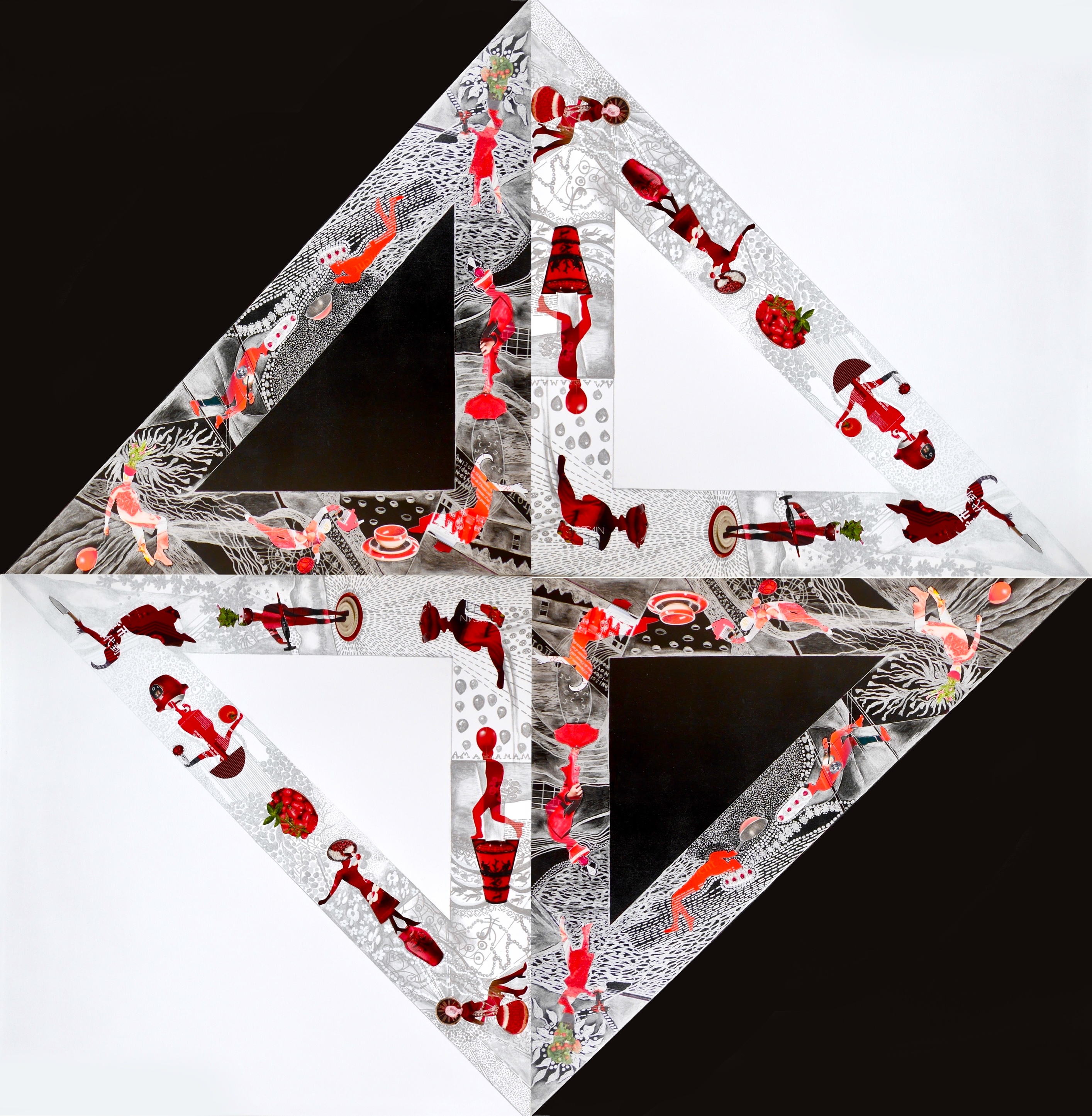
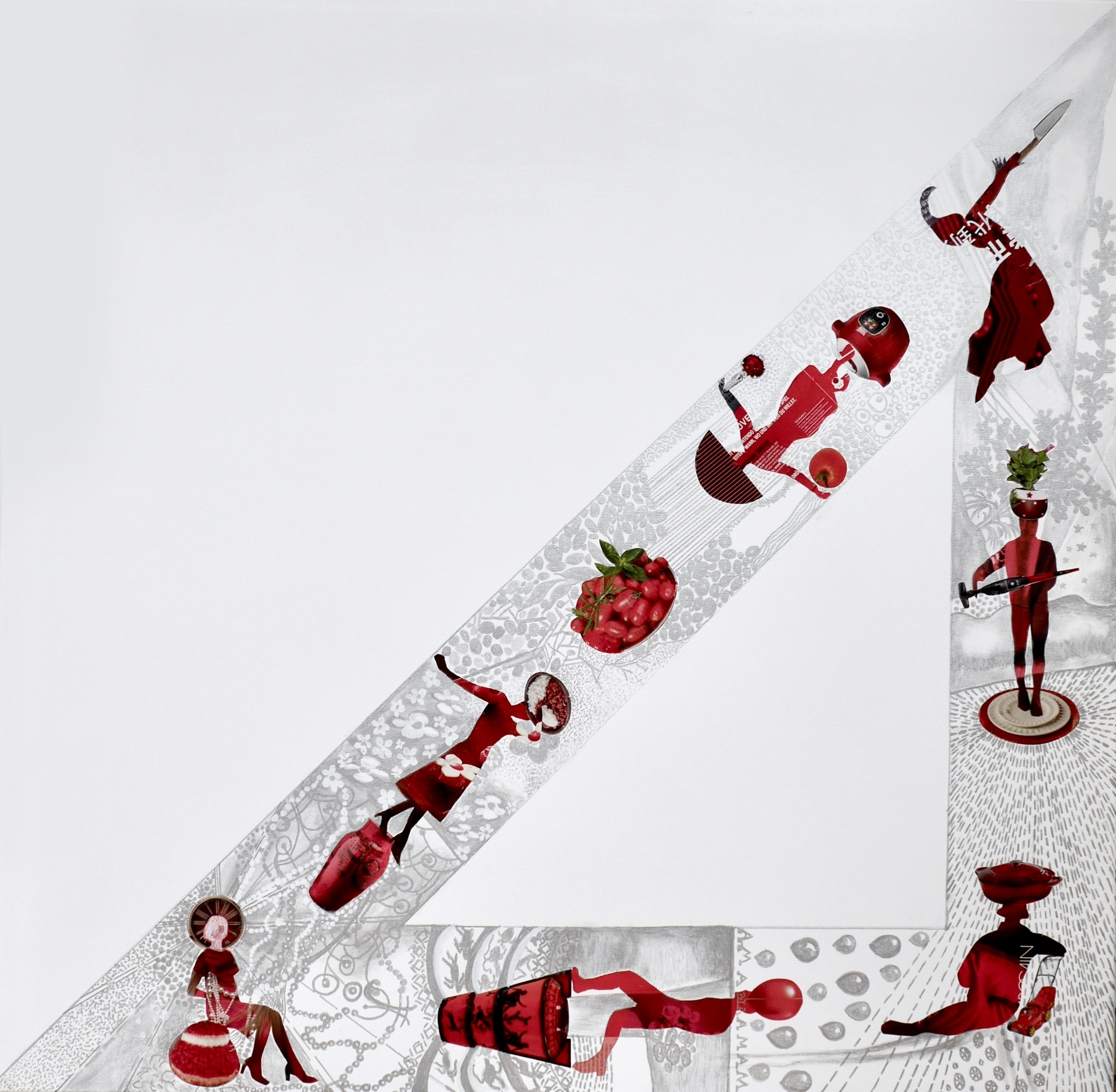
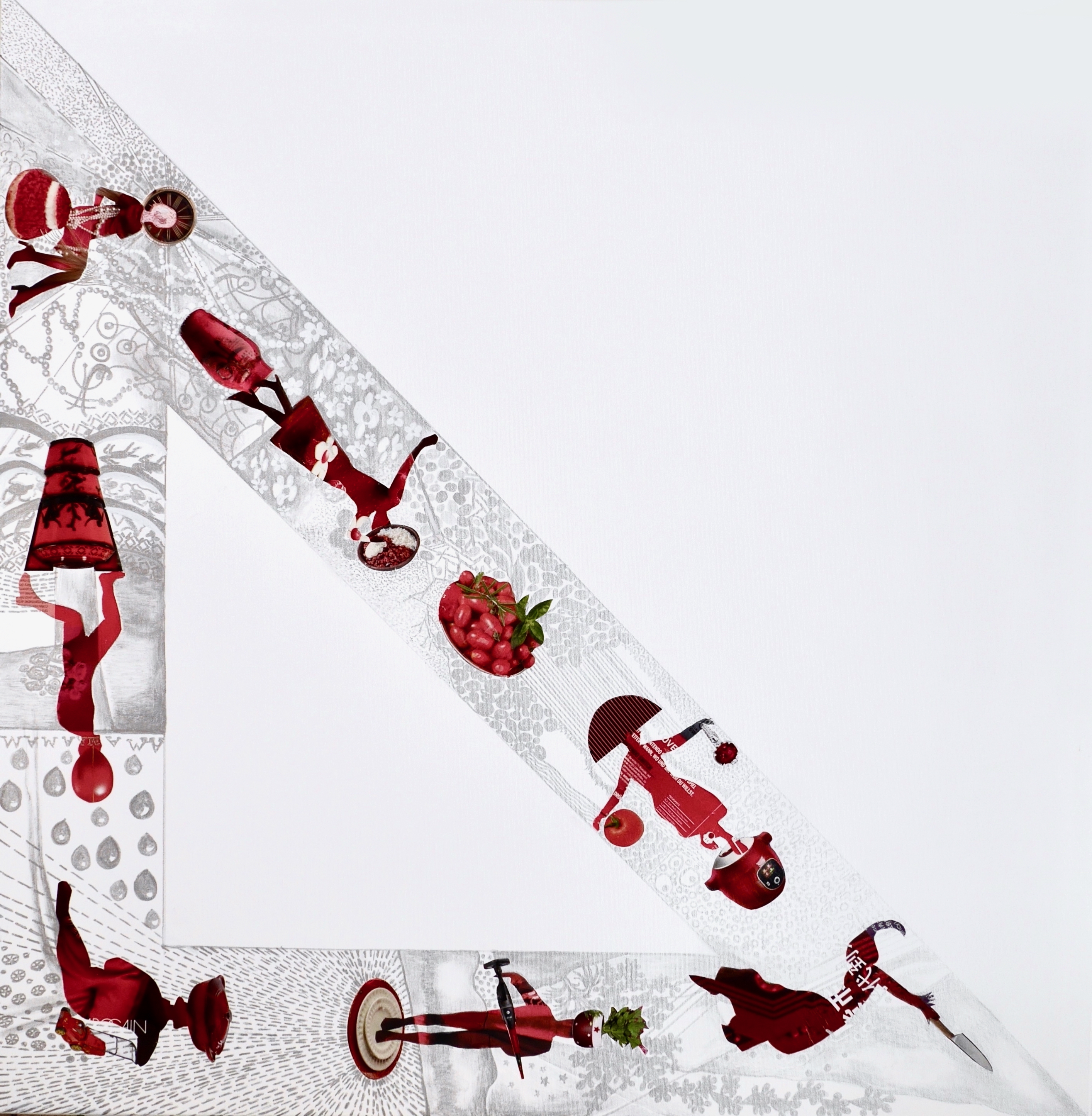
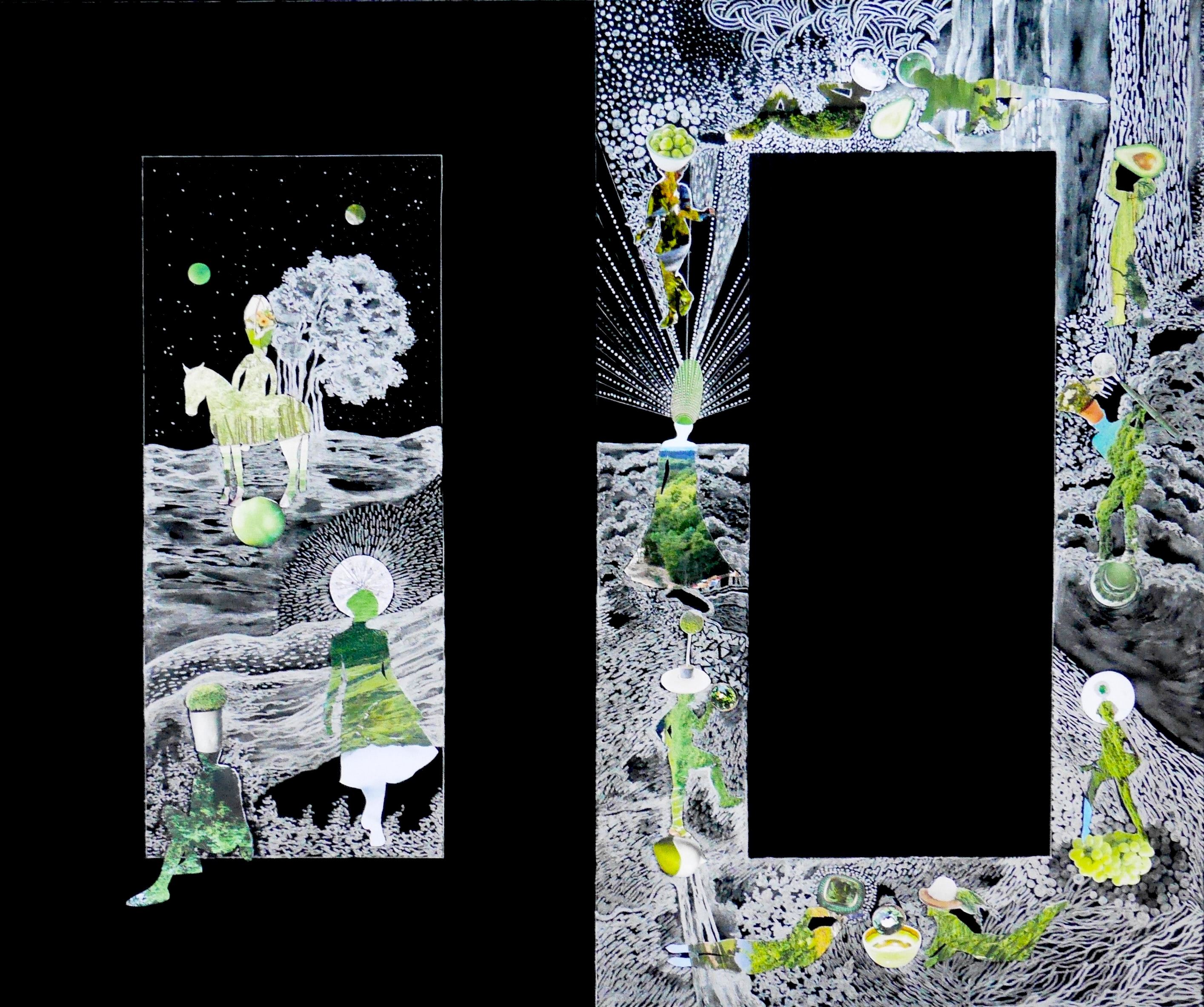
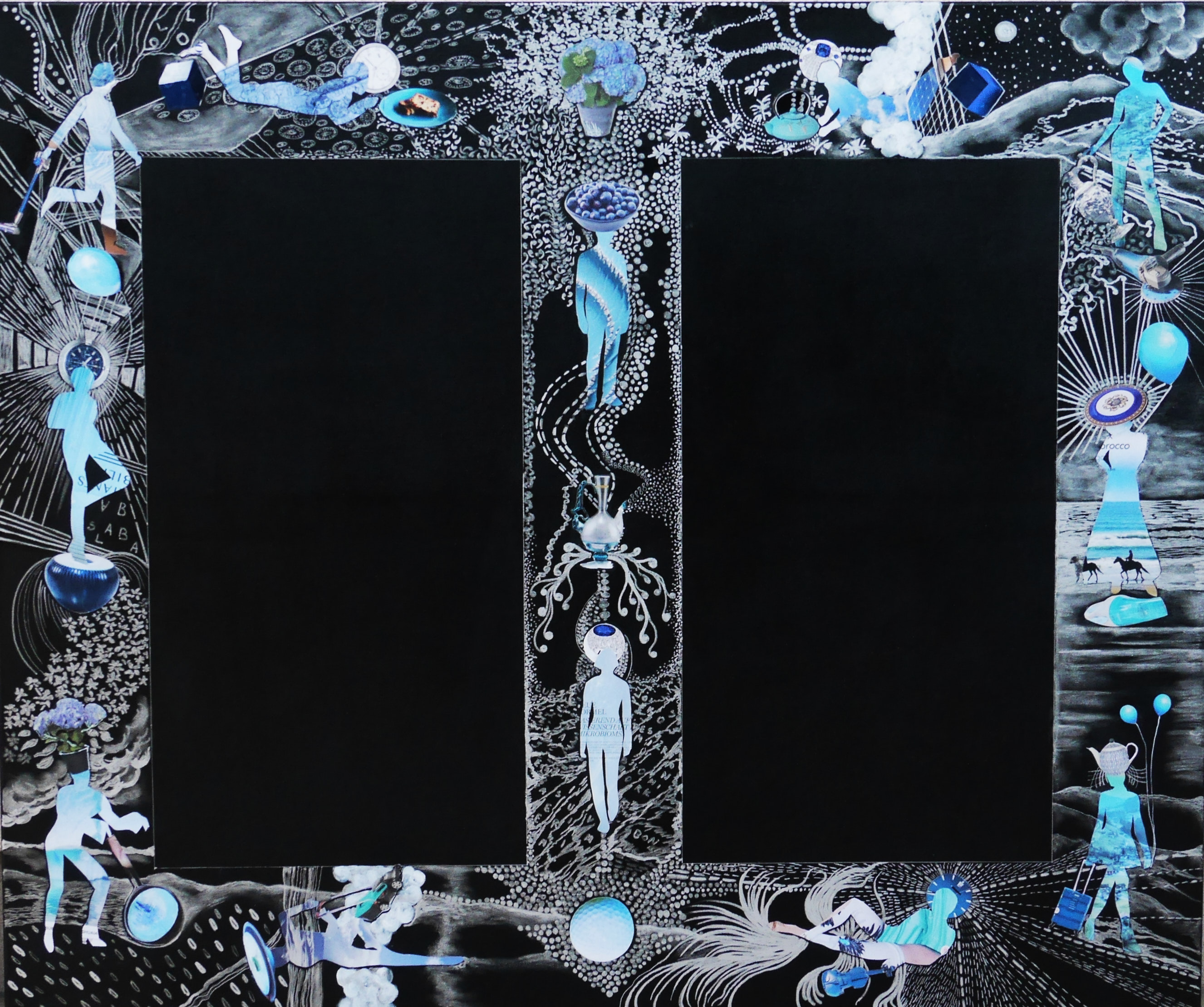
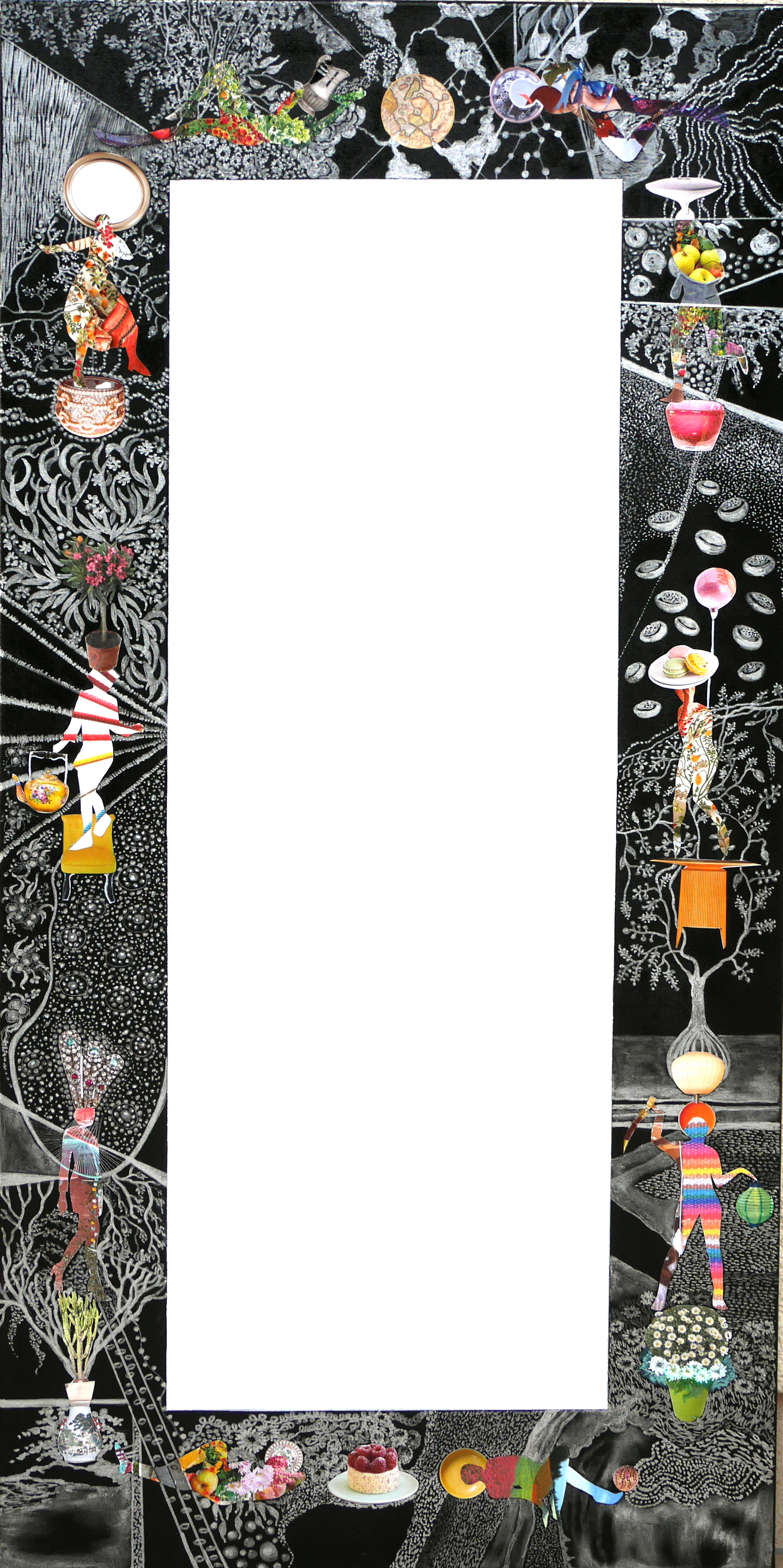
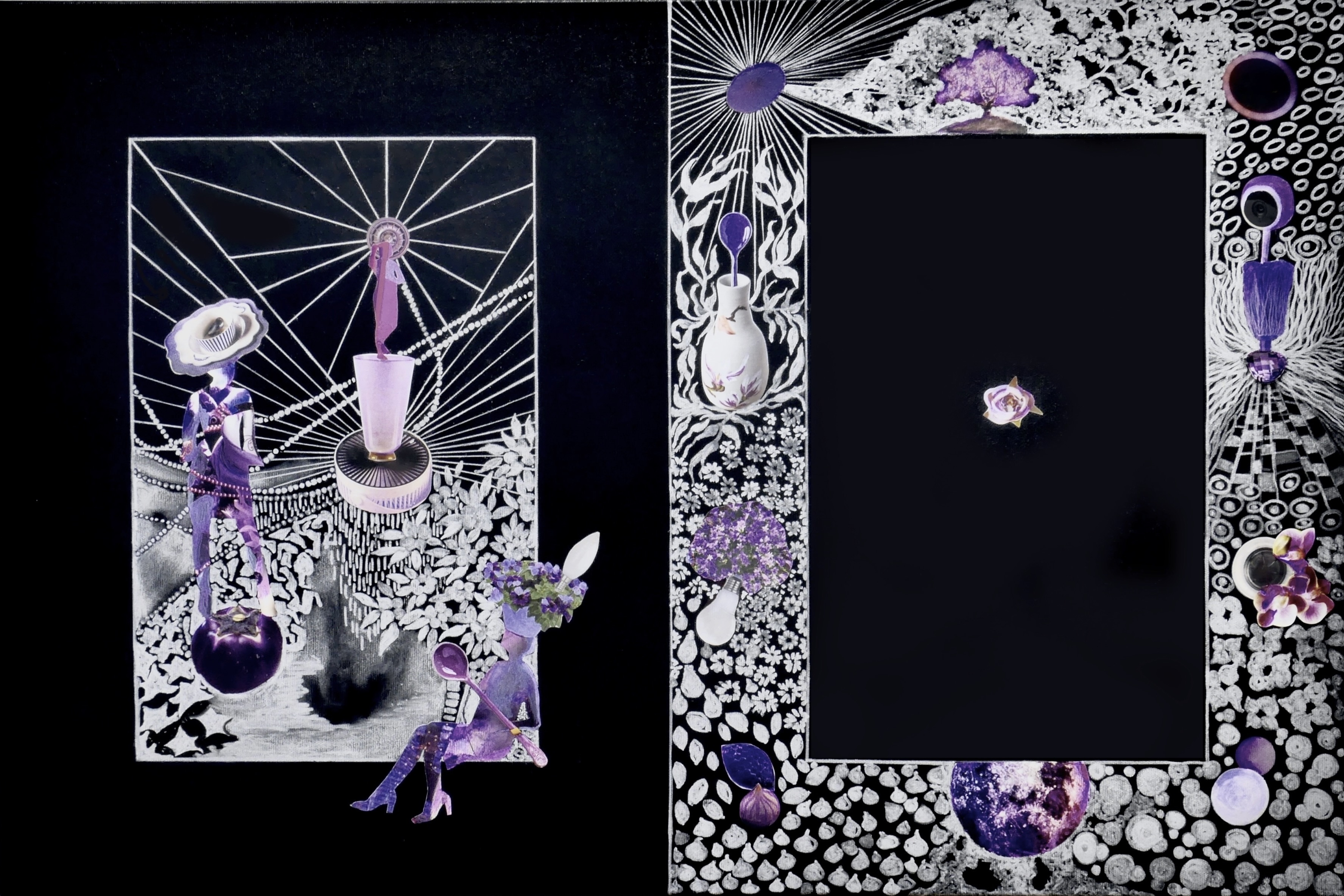
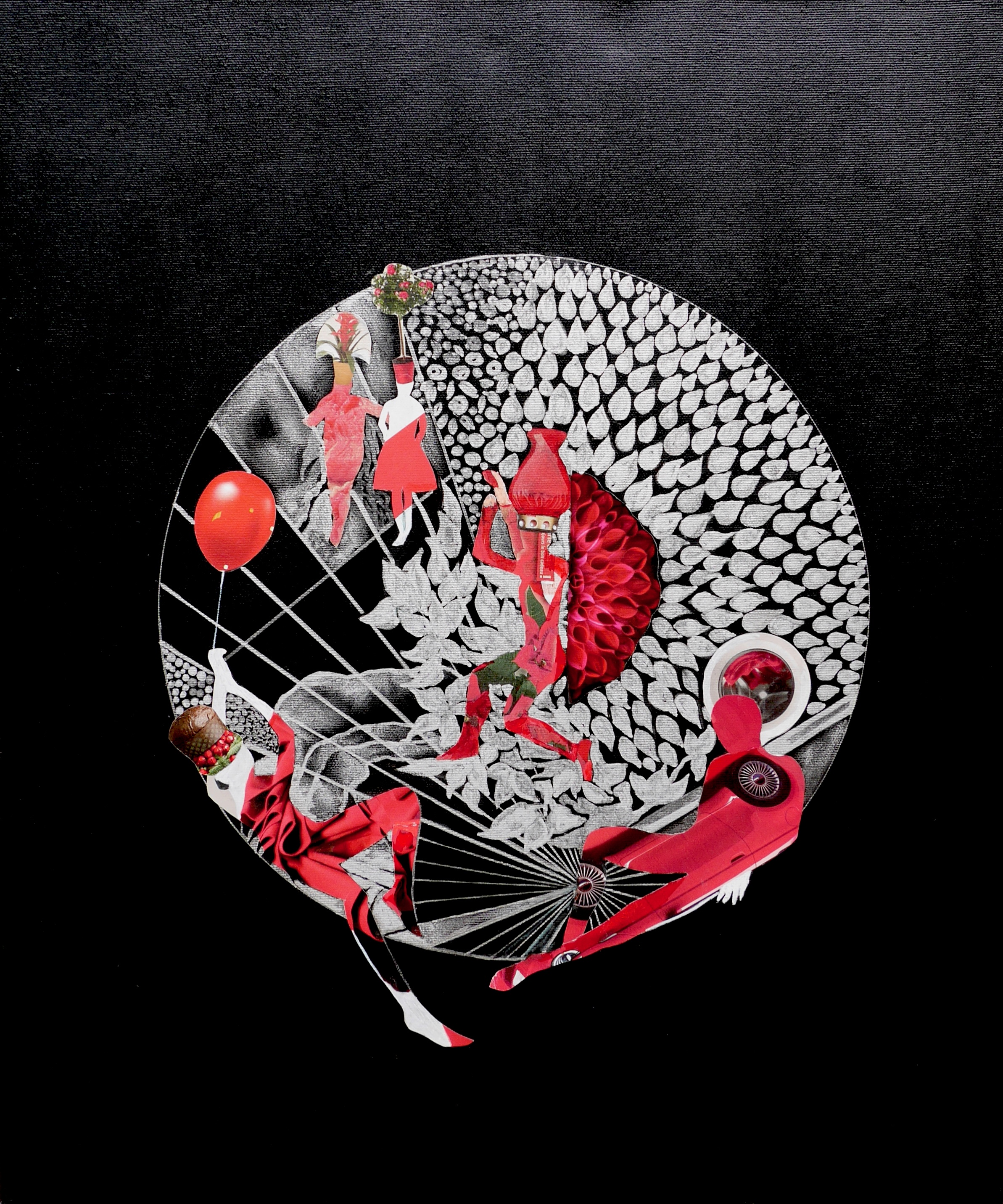
In Minimal-Complexity, initiated in 2021 and presented at Galerie PJ in 2024, Gabiani develops her own interpretation of Minimalism by introducing complexity into minimal structures. What appears simple and self-contained becomes a field of relationships, transformations and interconnected possibilities. Through collage and her evolving pattern, images transform into one another, revealing the interdependence of forms and challenging rigid boundaries and established rules. As the series develops, fixed compositions open towards new possibilities, with some works extending beyond their frames and becoming movable systems in which the viewer can participate.
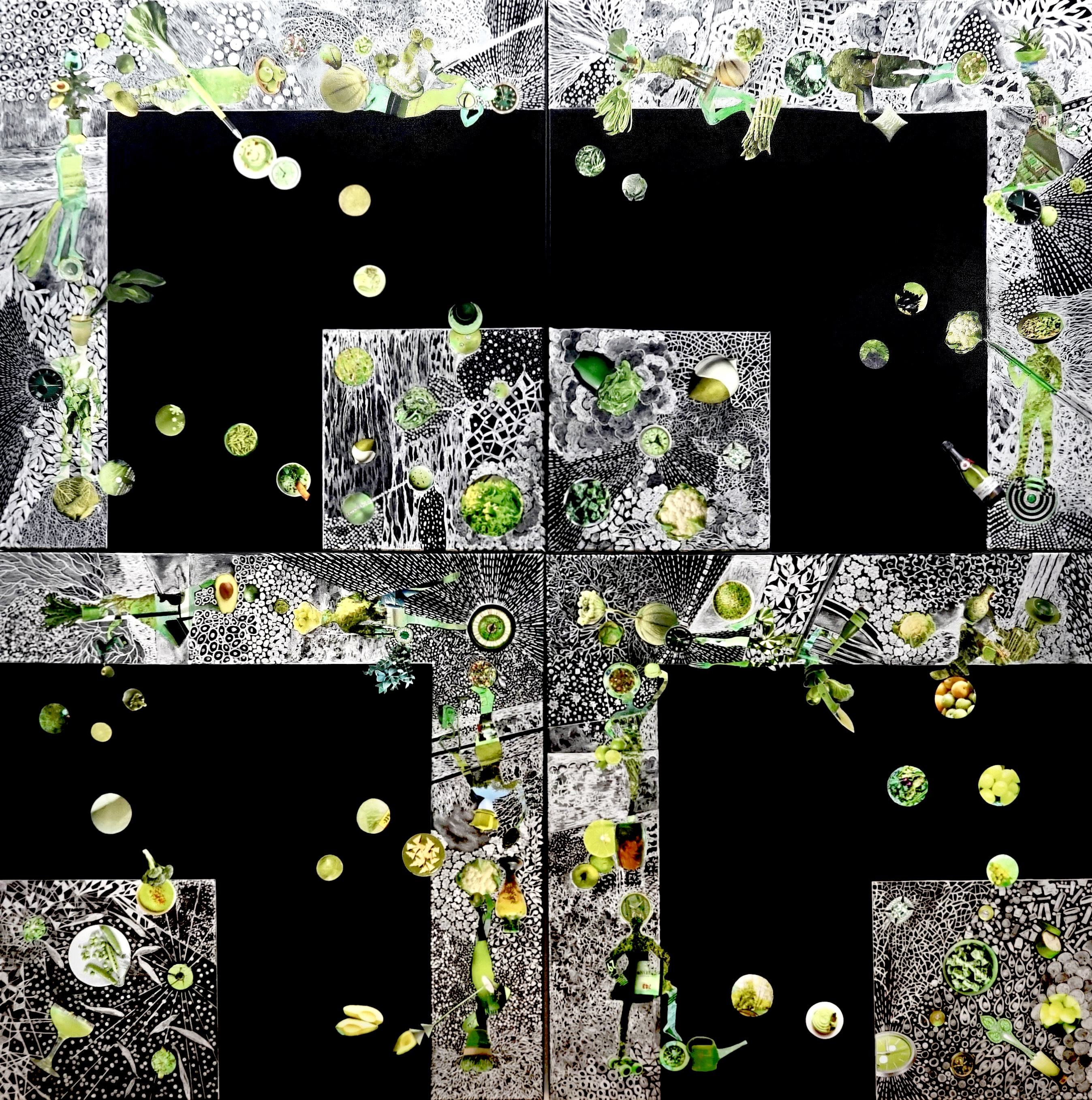
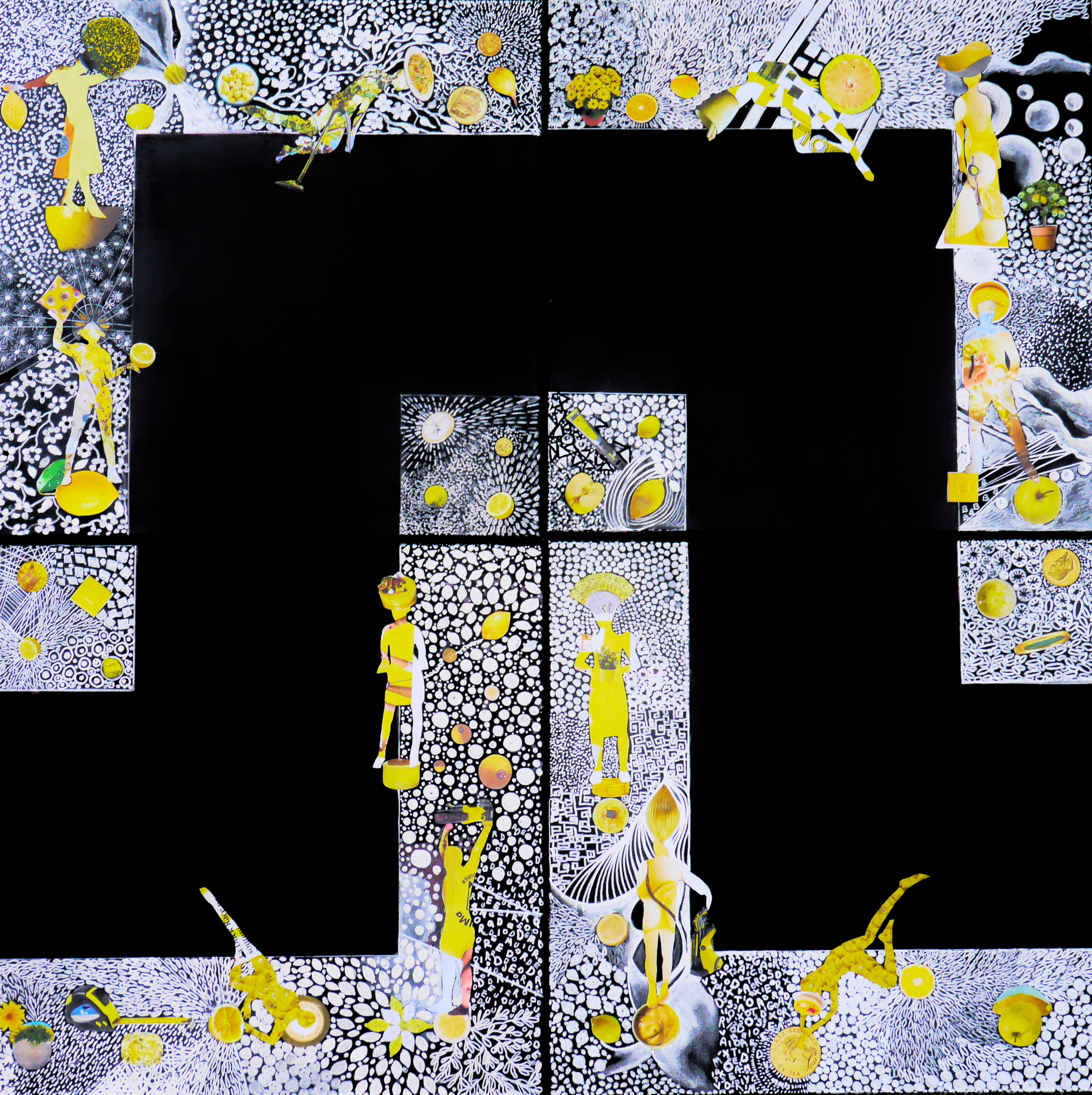
Building on the principles developed in Minimal-Complexity, Numerous Possibilities extends the transformation of forms into a system of movement and participation. Each work consists of four square elements that can be moved and rotated, creating 256 theoretical configurations. Rather than presenting one fixed image or a single correct solution, the work offers a system of possibilities. The artist establishes the rules, while the viewer generates new configurations through individual choices, becoming a co-creator in the process.
The period brings together several long-running threads in Gabiani’s practice: the relationship between micro and macro, the transformation of forms through repetition, the questioning of boundaries, and the creation and transformation of rules. Earlier ideas return, but never in exactly the same form.
Connection is no longer only something represented within the work. It becomes the principle through which the work itself develops, as forms transform, structures open to new possibilities, and individual elements reveal their interdependence within a larger whole.