Paintings
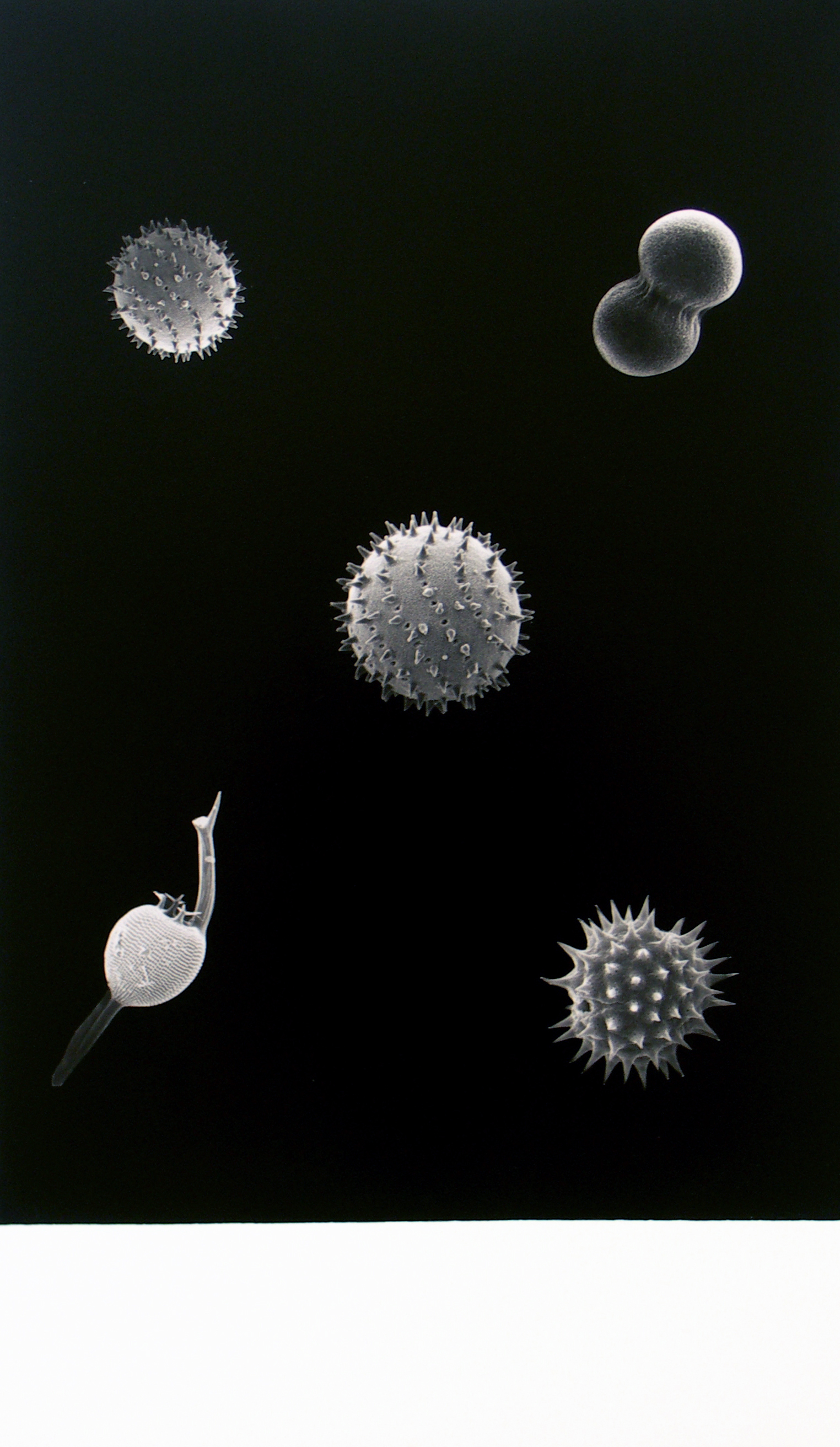
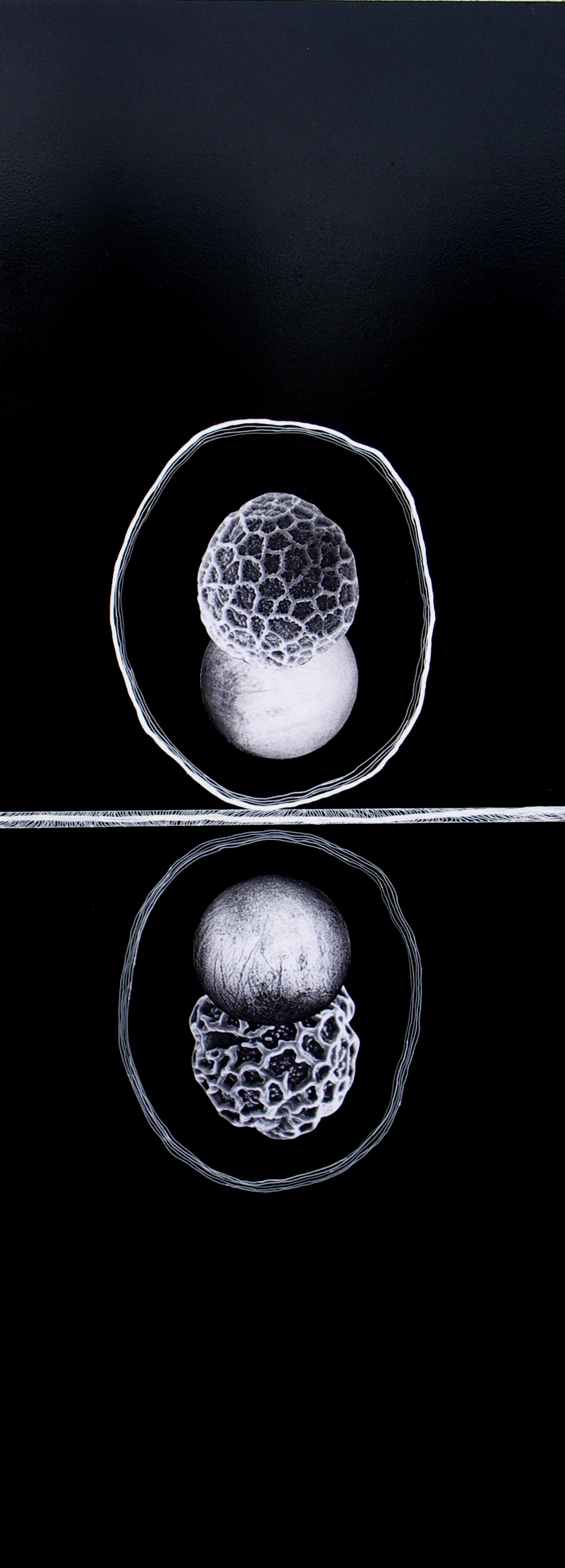
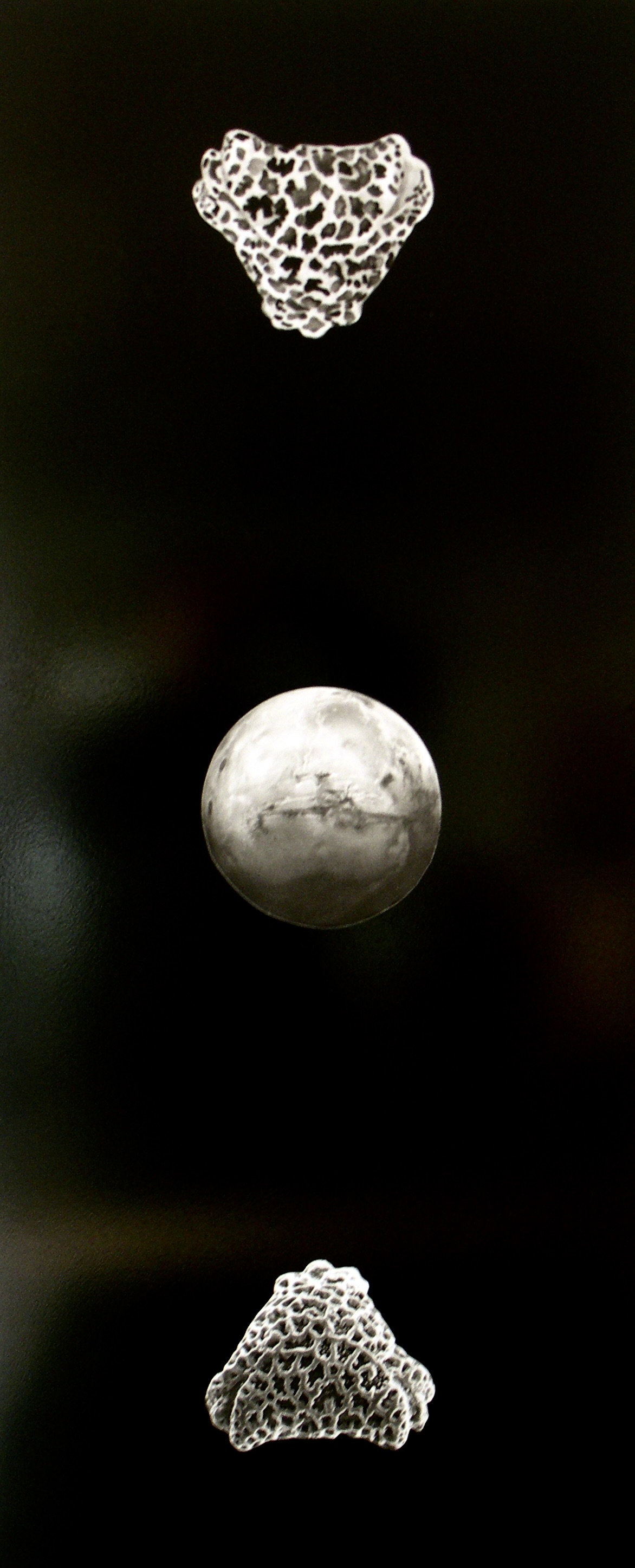
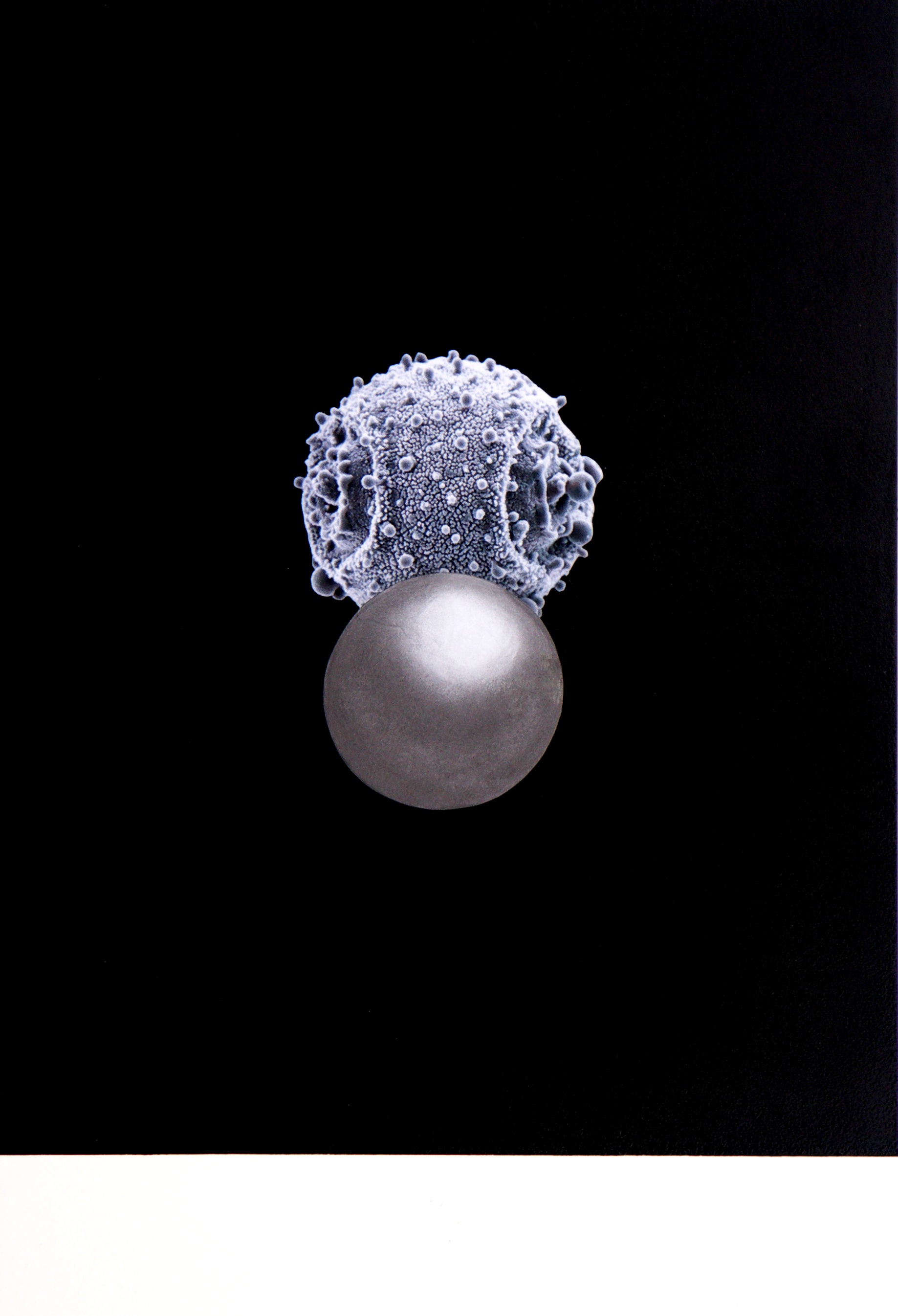
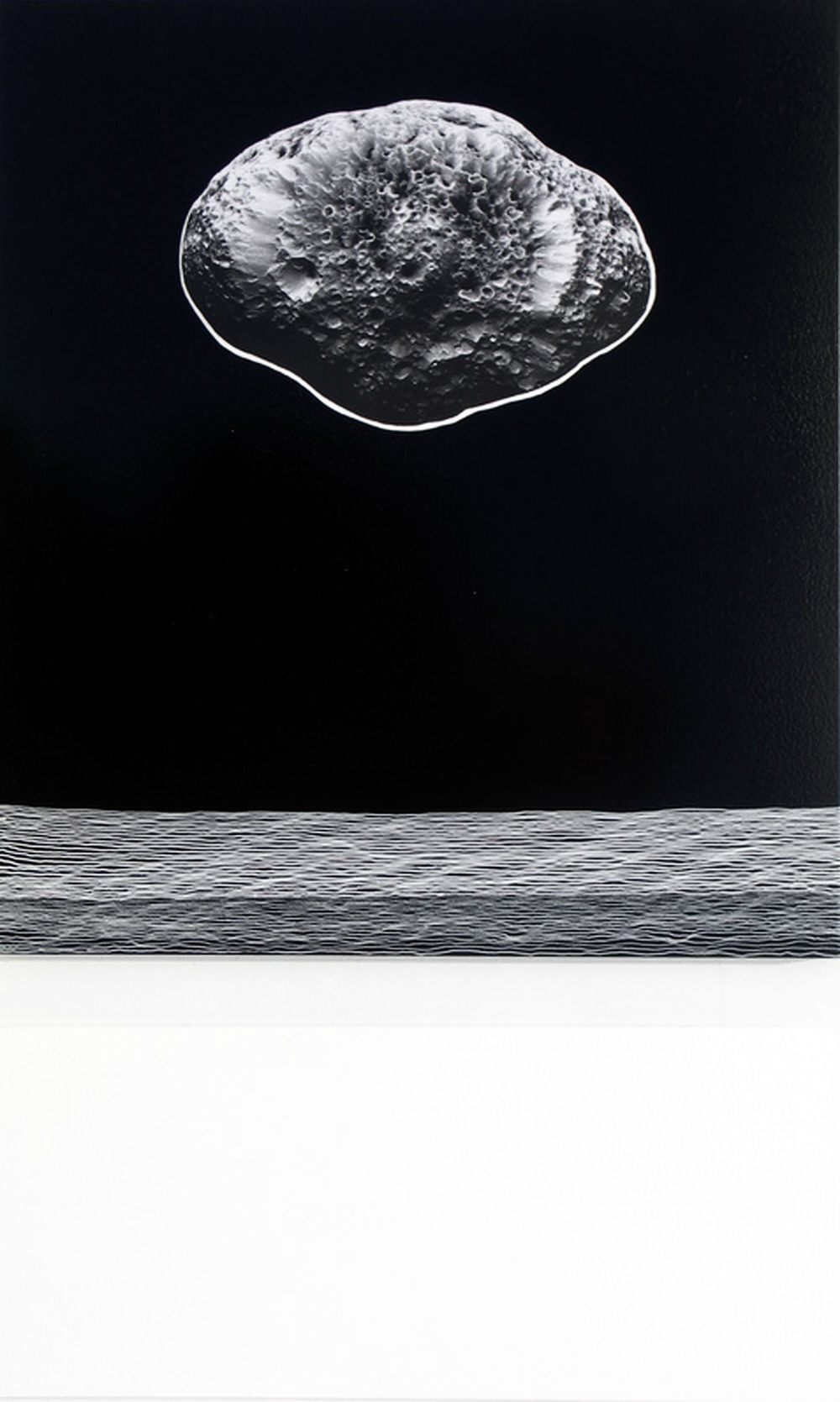
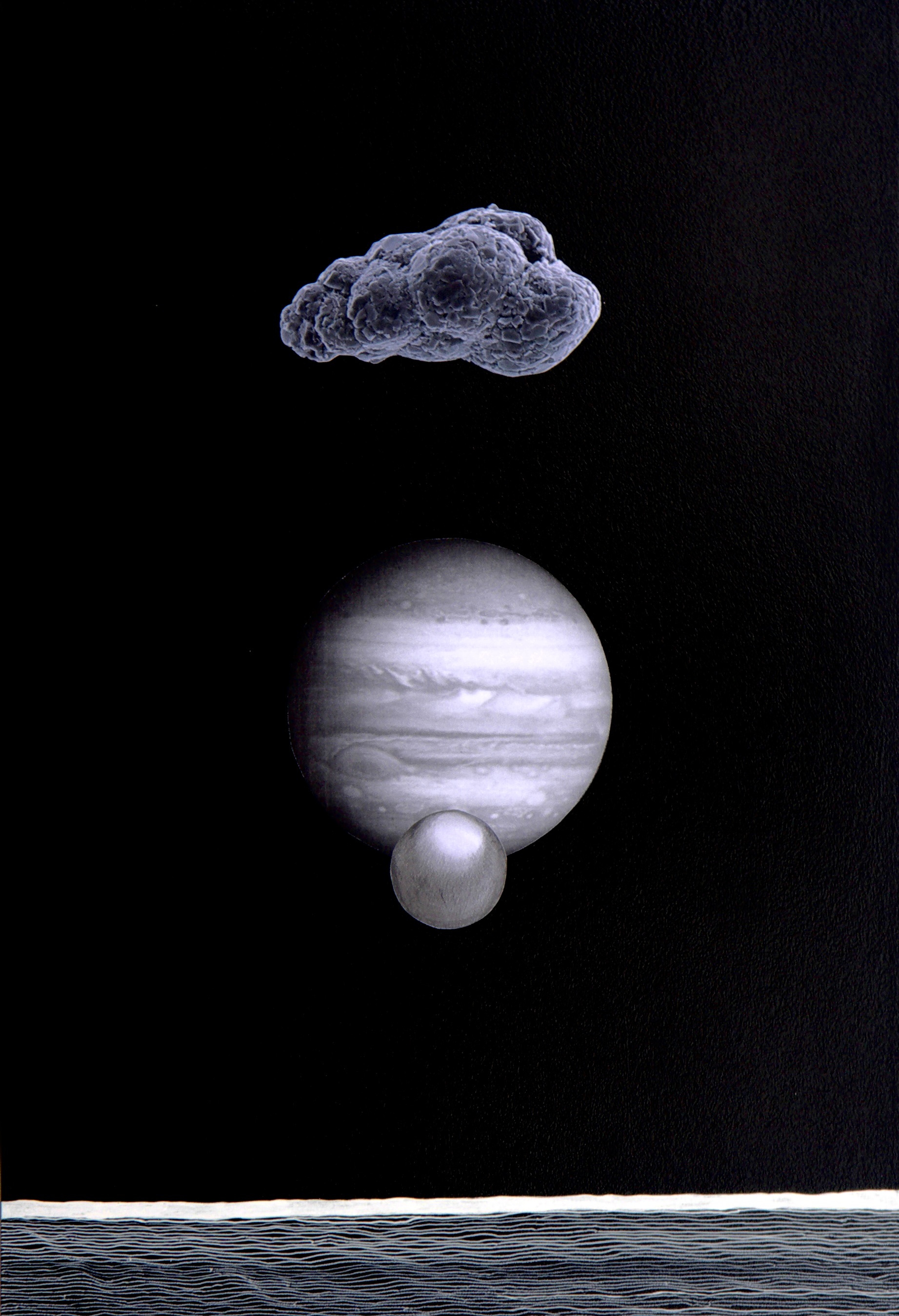
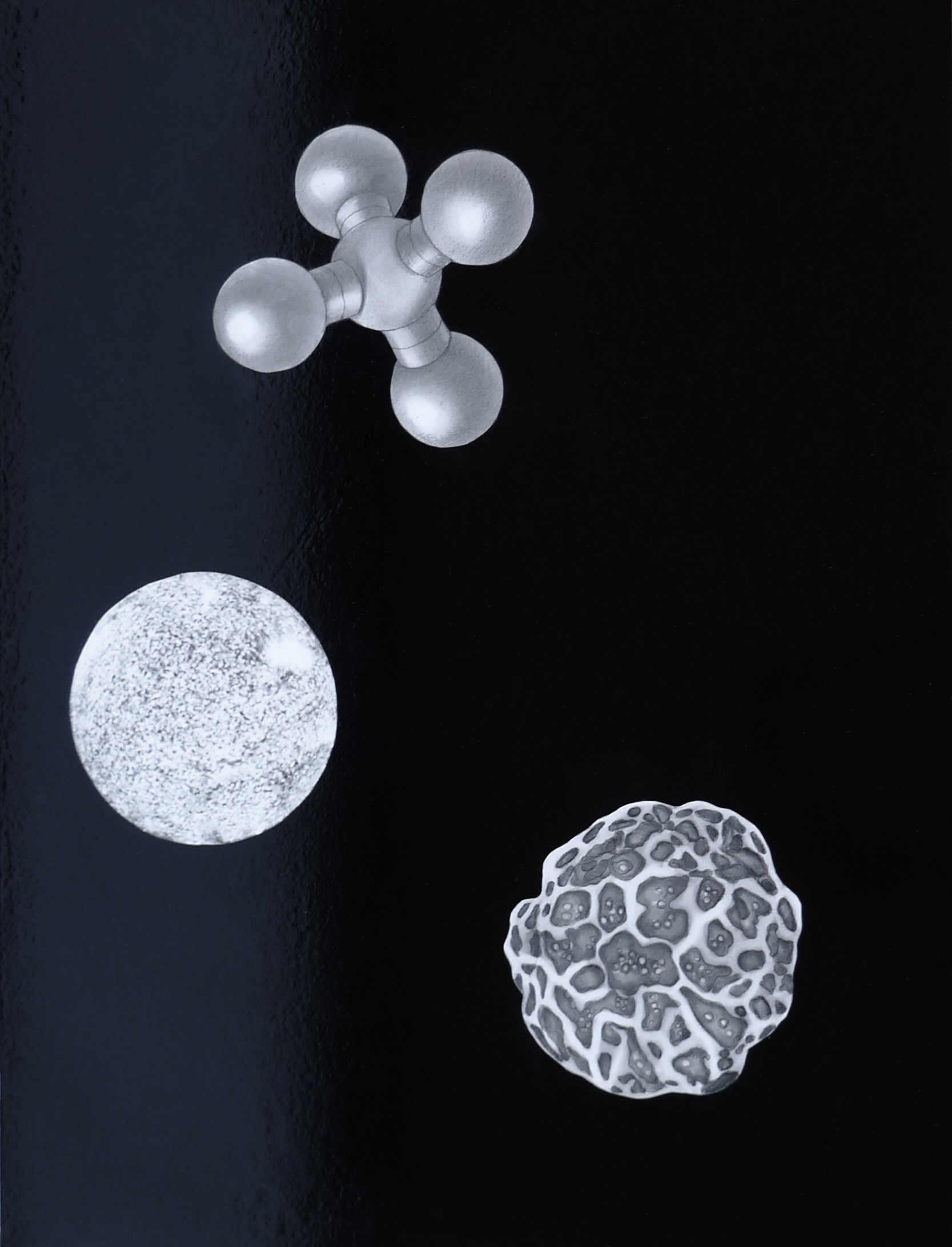
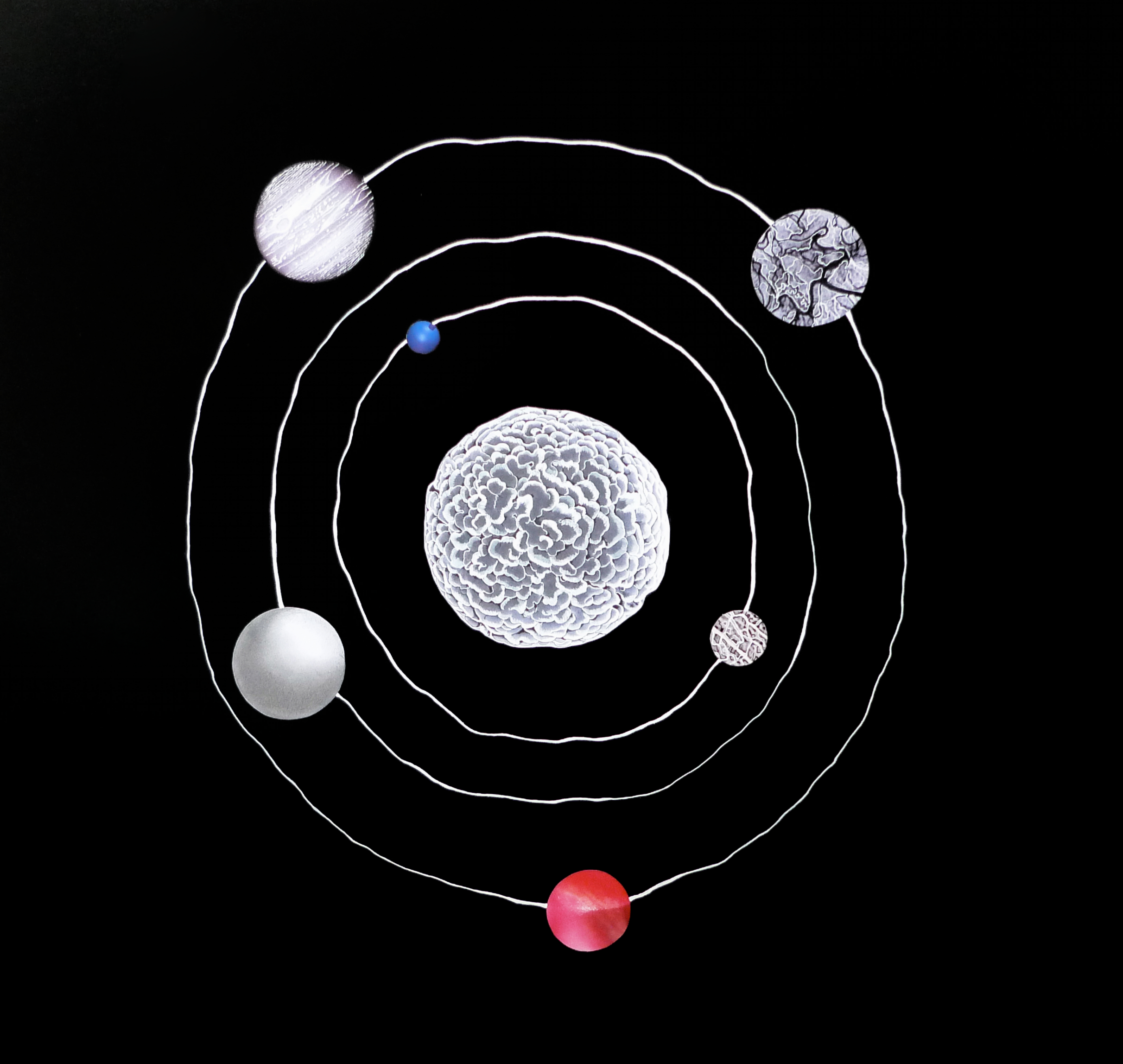
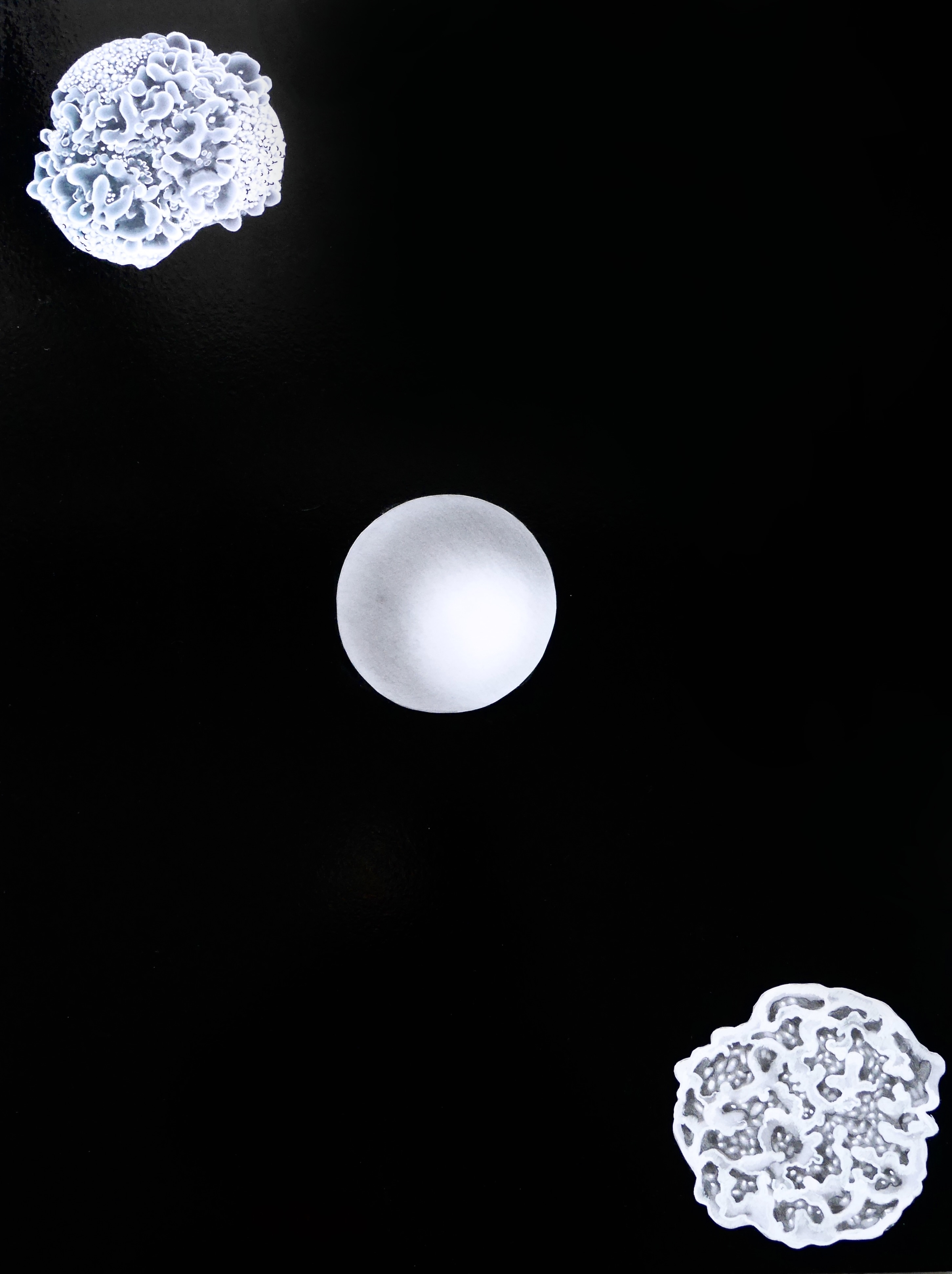
In 2007, Gabiani returned to the microscopic and cosmic worlds that had first emerged in the late 1990s, but through a radically different visual language. The layered, dense imagery of the earlier period gave way to something cleaner and more minimal. Micro and macro forms now sit side by side, often at the same scale, as if size and distance had ceased to apply.
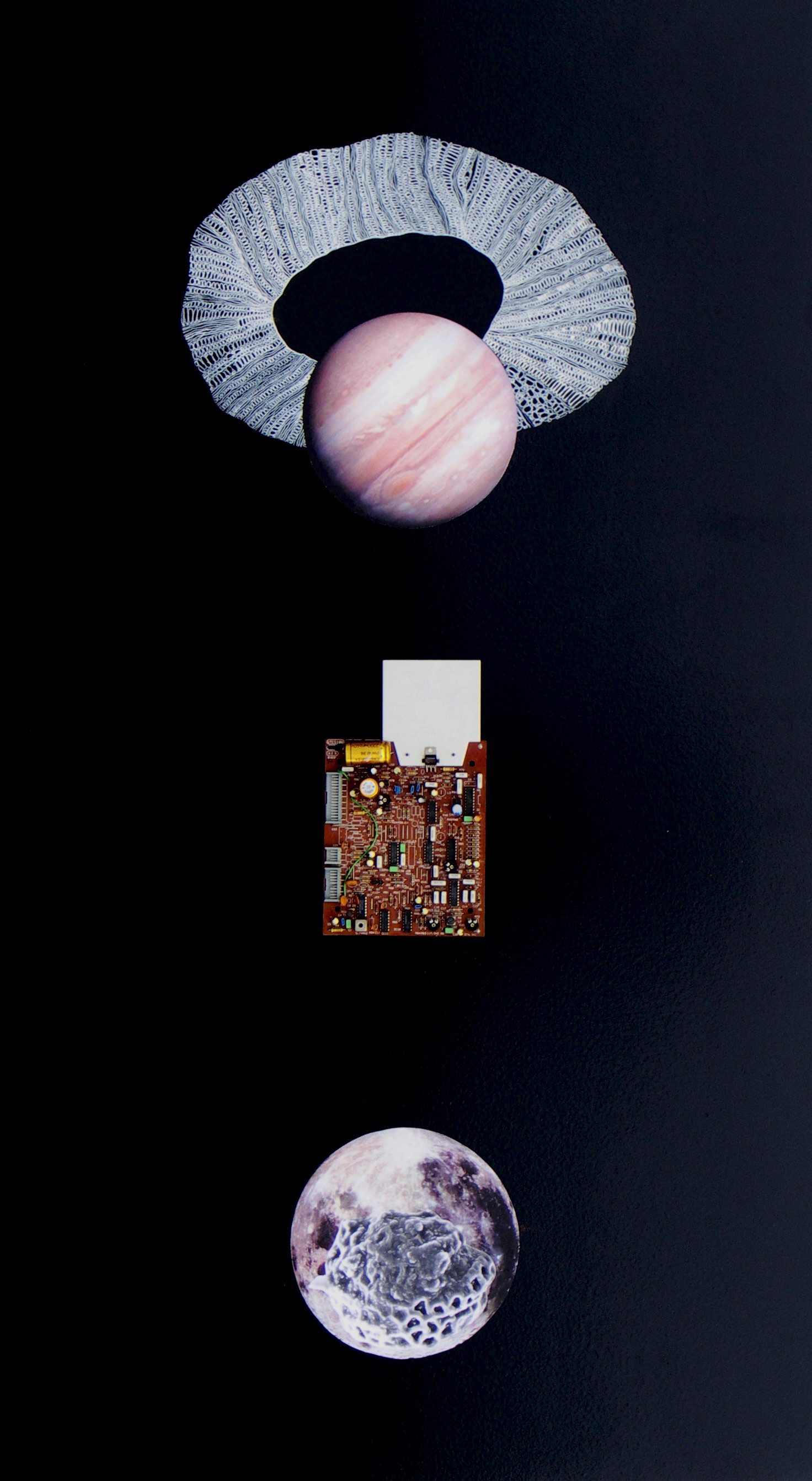
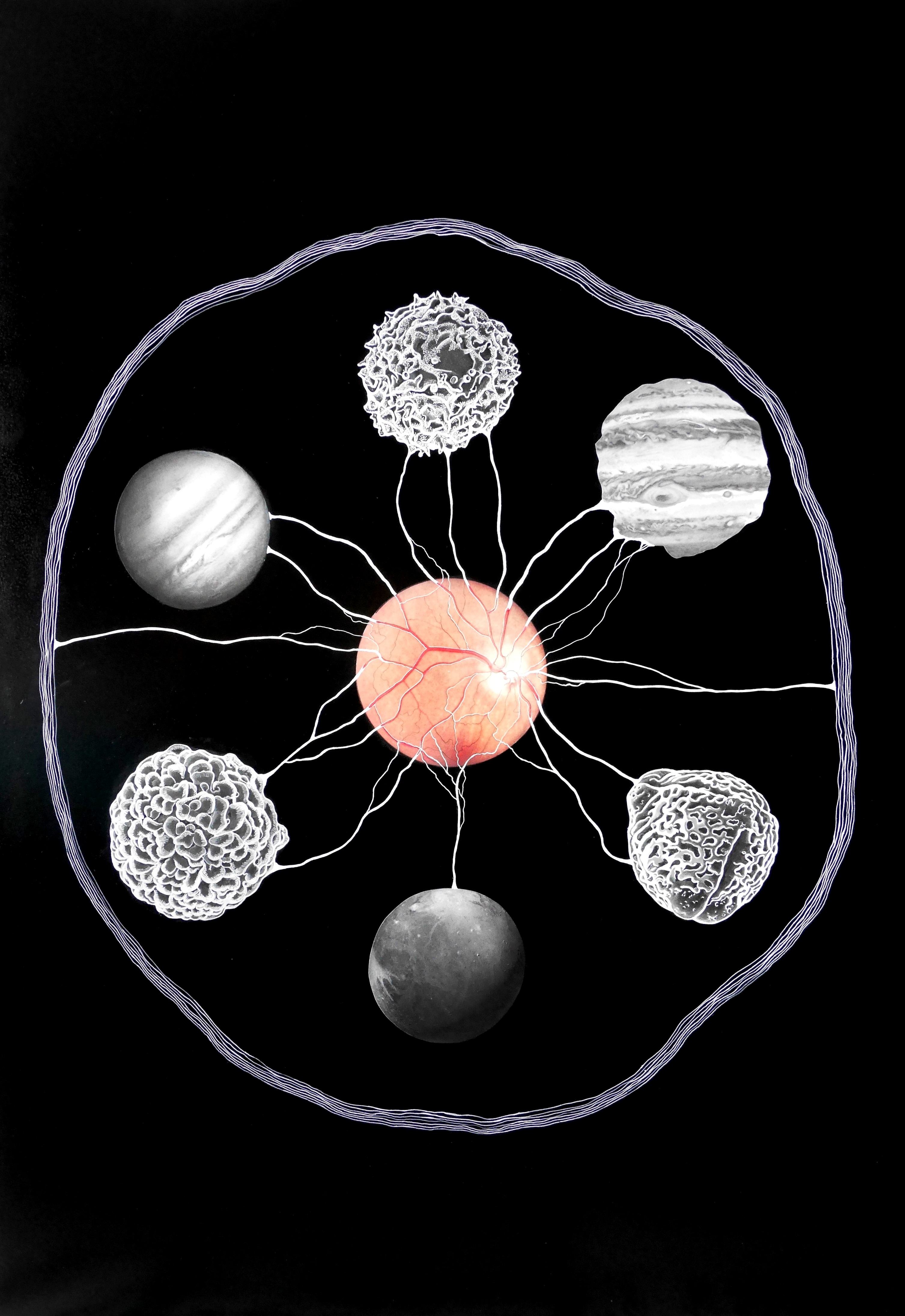
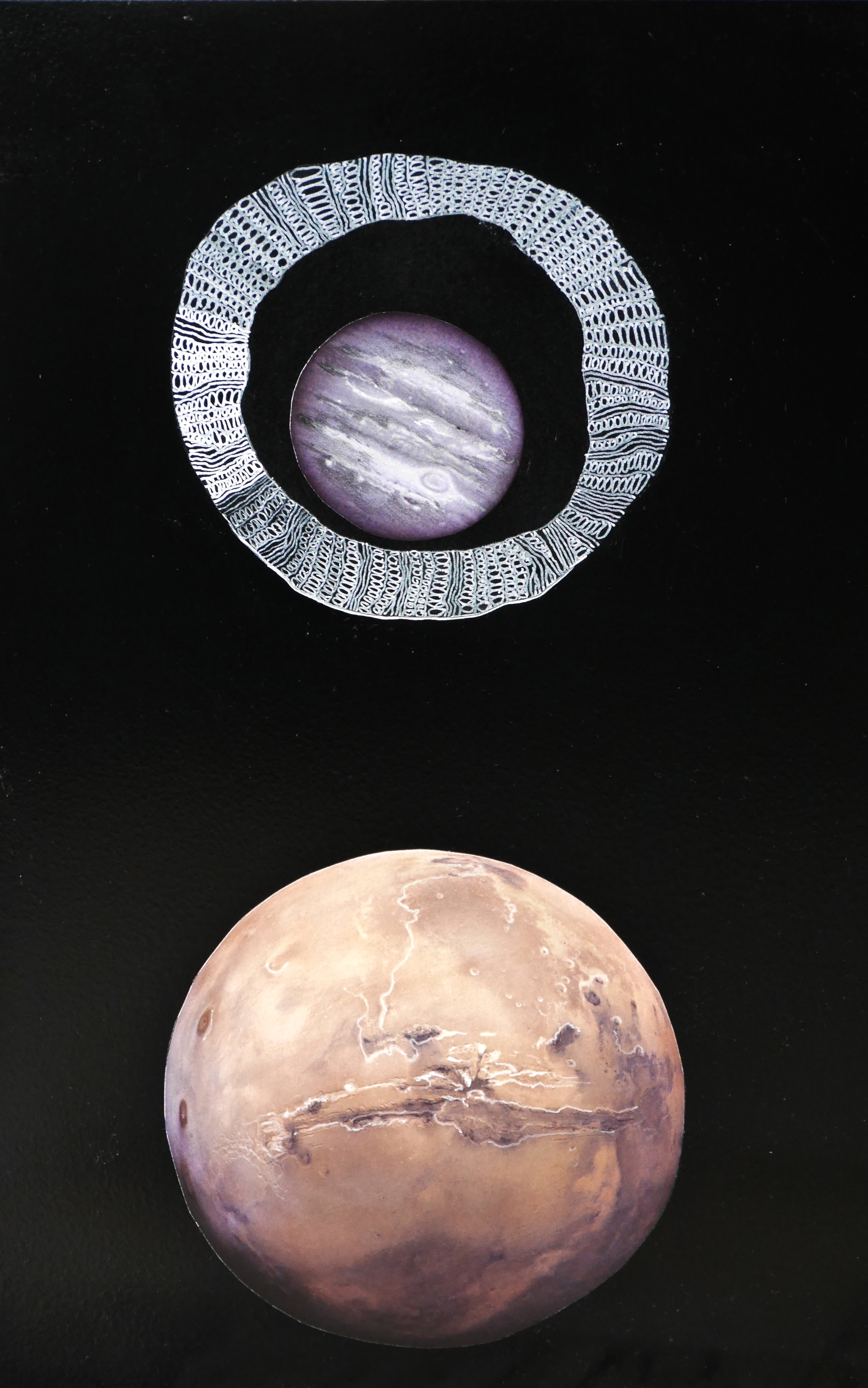
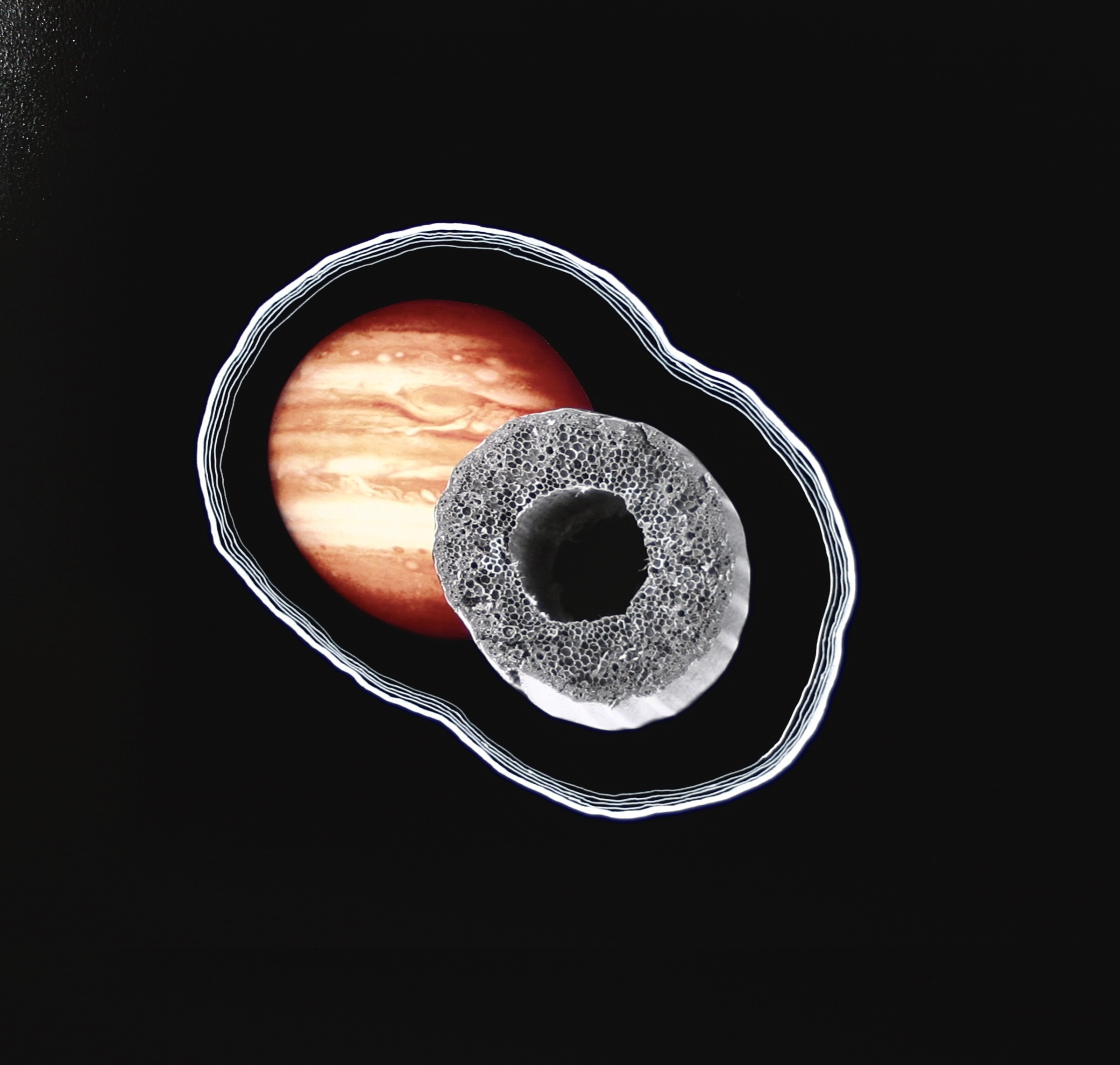
Structures that emerged in the late 1990s return in transformed form. Circular and orbital movements, circuit-like lines and interconnected elements return and are transformed within a cleaner visual language, bringing different scales, forms and systems into the same visual field. Microscopic, organic, technological and cosmic structures begin to share a common visual logic.
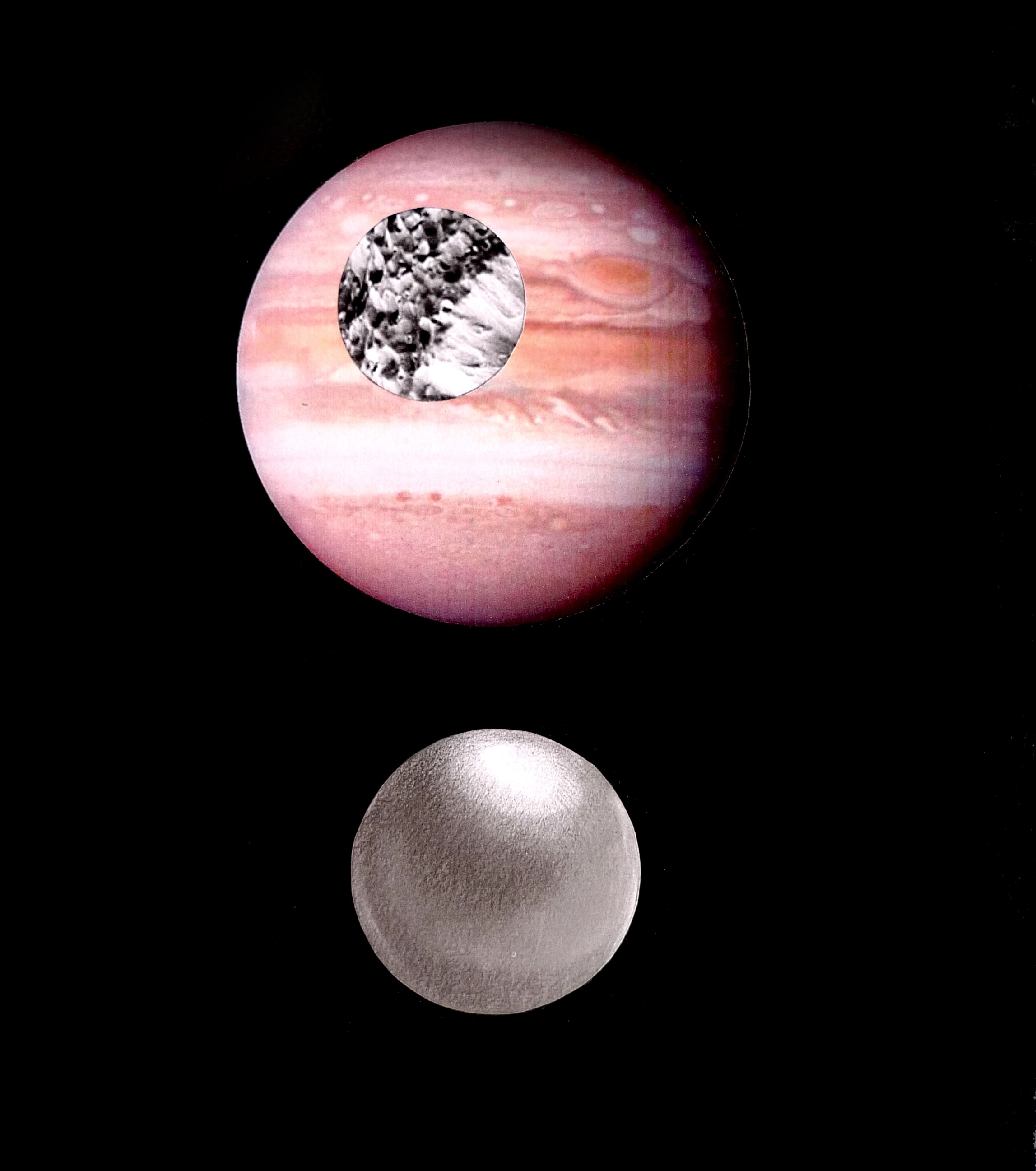
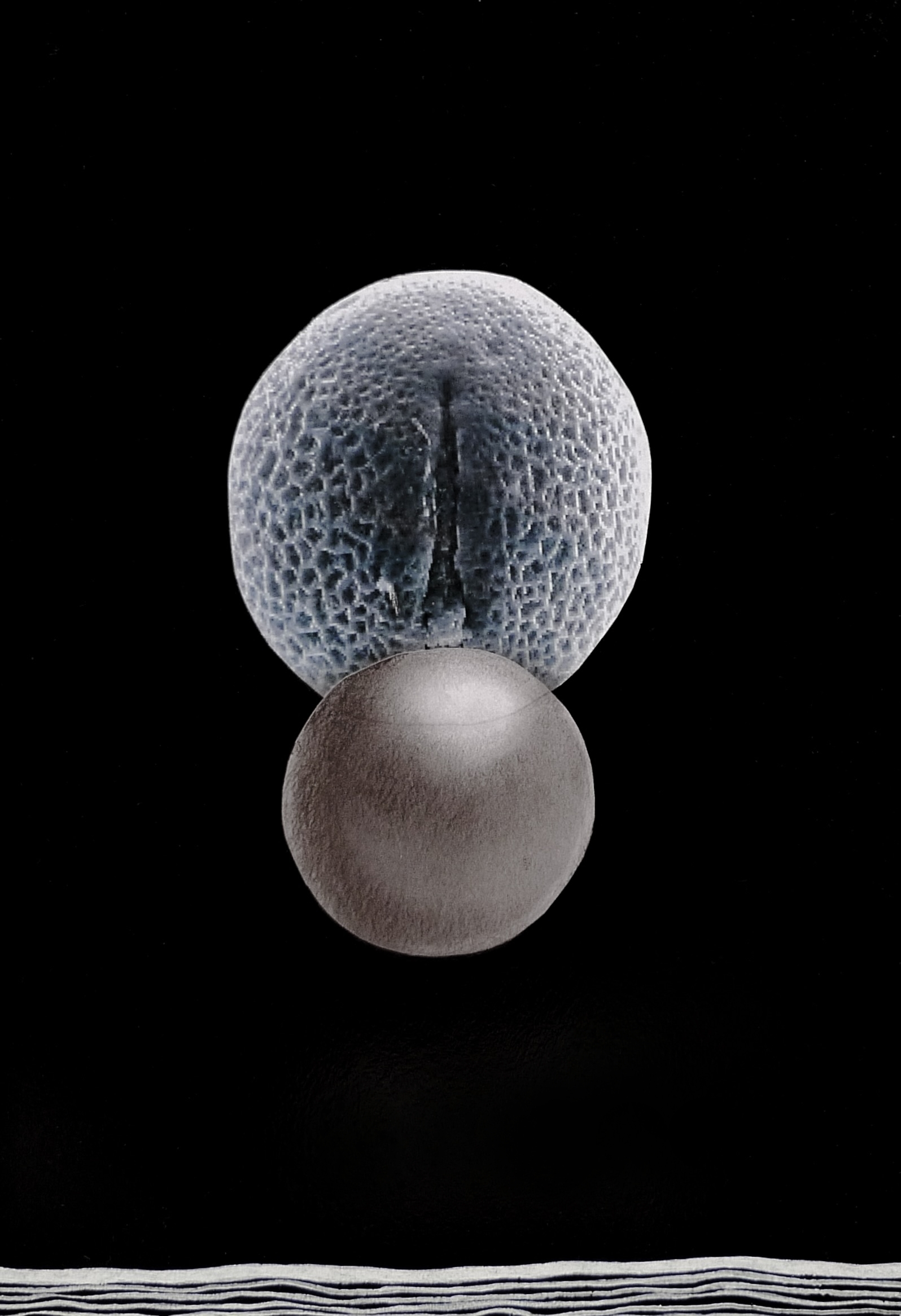
A microscopic body could appear as a planet. A fragment of a leaf, a celestial body. A natural structure could read as something technological. Scale becomes a question rather than a fact: what looks like one thing may be another, and forms from entirely different realities begin to approach one another.
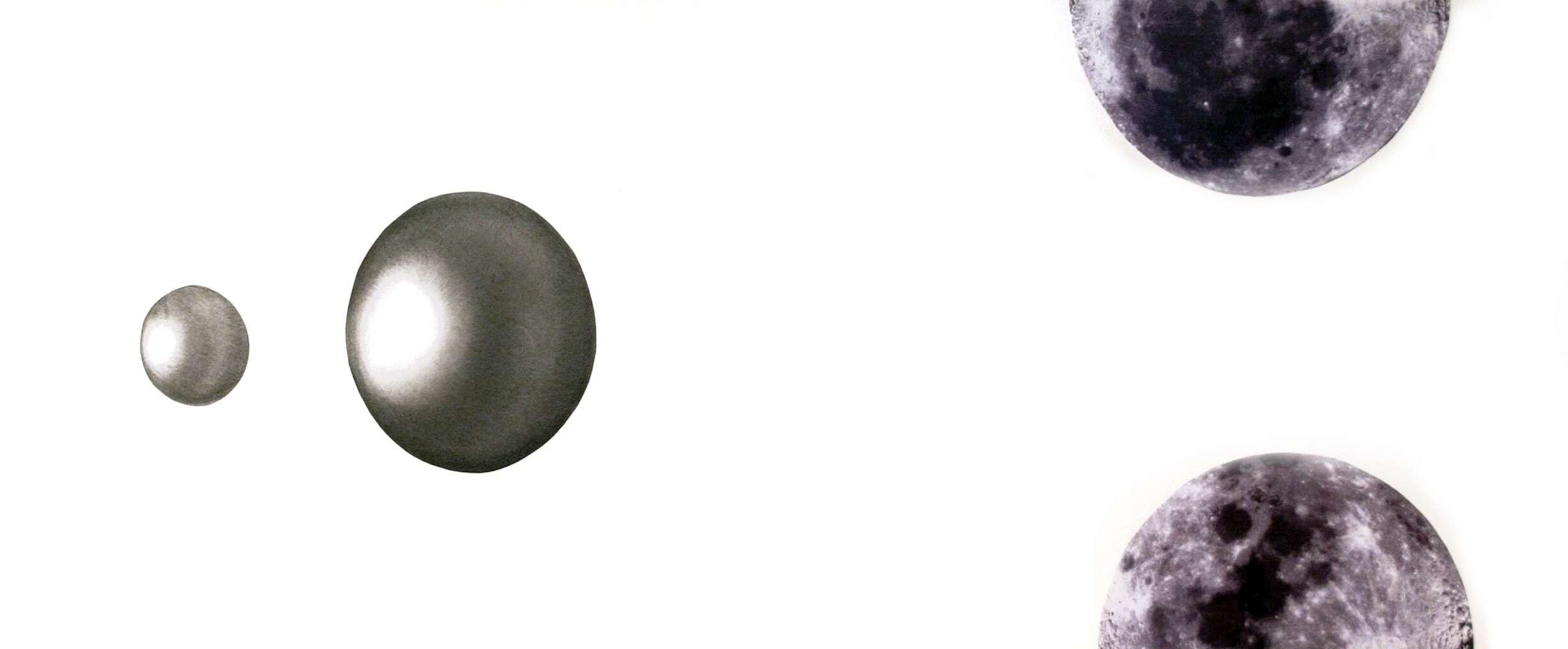
The boundary between object and image grows unstable too. Photography and cut photographic fragments enter the paintings directly, bringing distant or microscopic realities onto the painted surface itself. Drawing, photography, collage and paint coexist within the same image, blurring where one material reality ends and another begins.
The surfaces themselves are built slowly, layer upon layer of paint, sanded back and reworked until they become smooth and highly reflective. The gloss becomes part of the work: it catches light, the surrounding room and whatever comes near it, folding the physical world into the image itself.
This logic of repetition and transformation would later become the foundation for a new body of work built around pattern and growth.